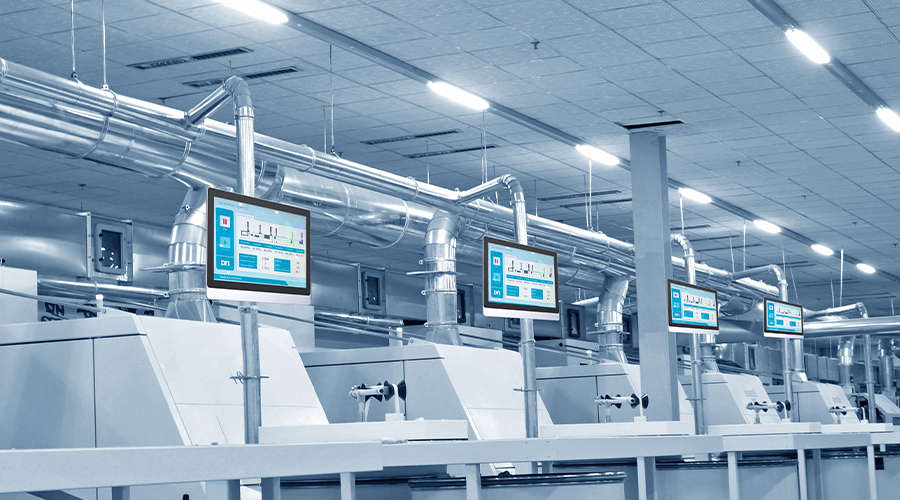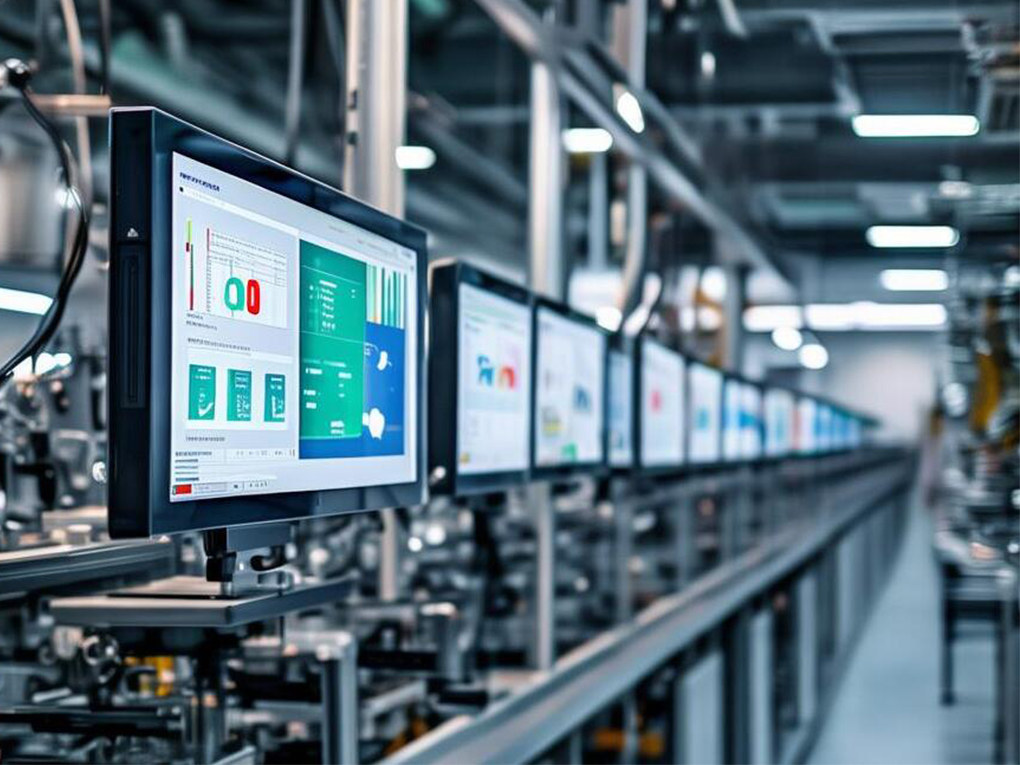
Outdoor working environments have always been considered the most demanding application scenario for industrial control equipment. Intense sunlight, wind and sand, temperature fluctuations, humidity, and vibration constantly test the stability of the equipment. A high-brightness screen is just one of many requirements; for long-term stable operation outdoors, industrial all-in-one computers need to demonstrate more comprehensive capabilities. High brightness only ensures the image is visible; the more critical indicators are often hidden in the casing, touch screen, heat dissipation, and protective structure.
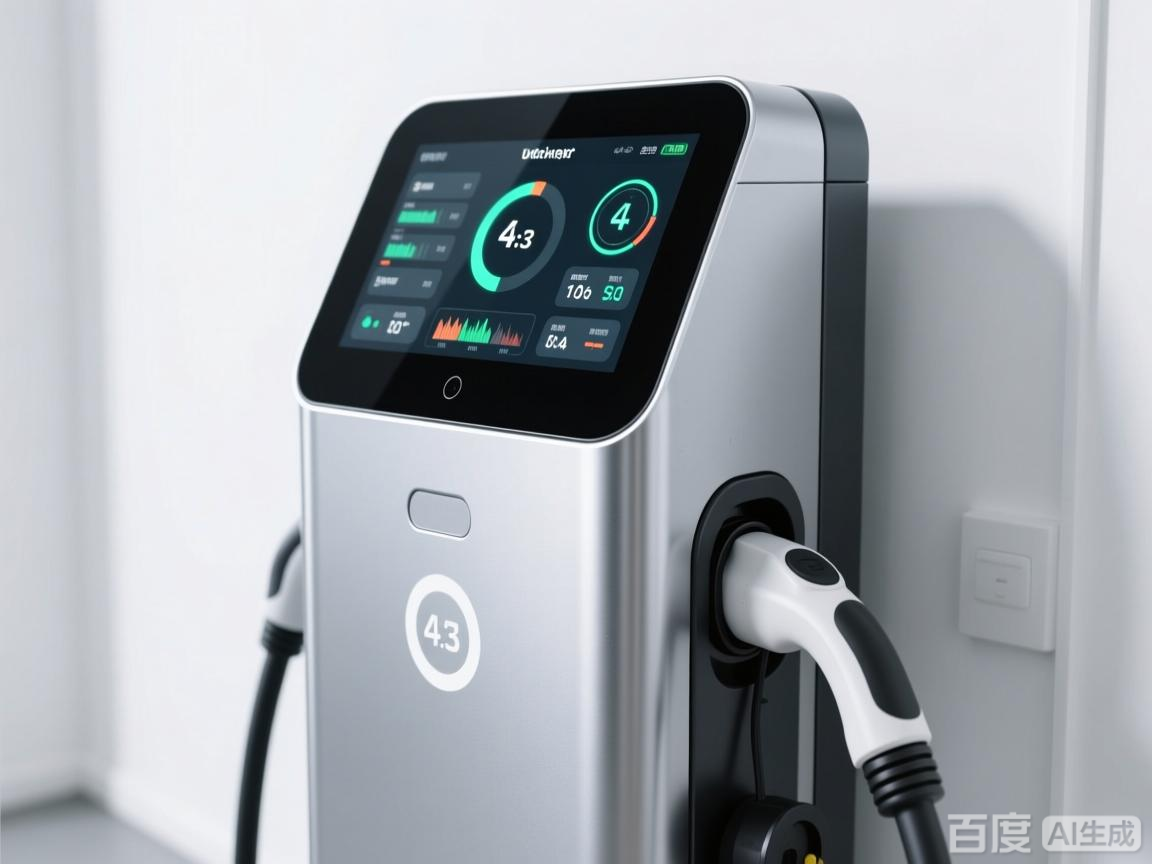
Visibility in strong light is just the beginning; reliable performance is more important.
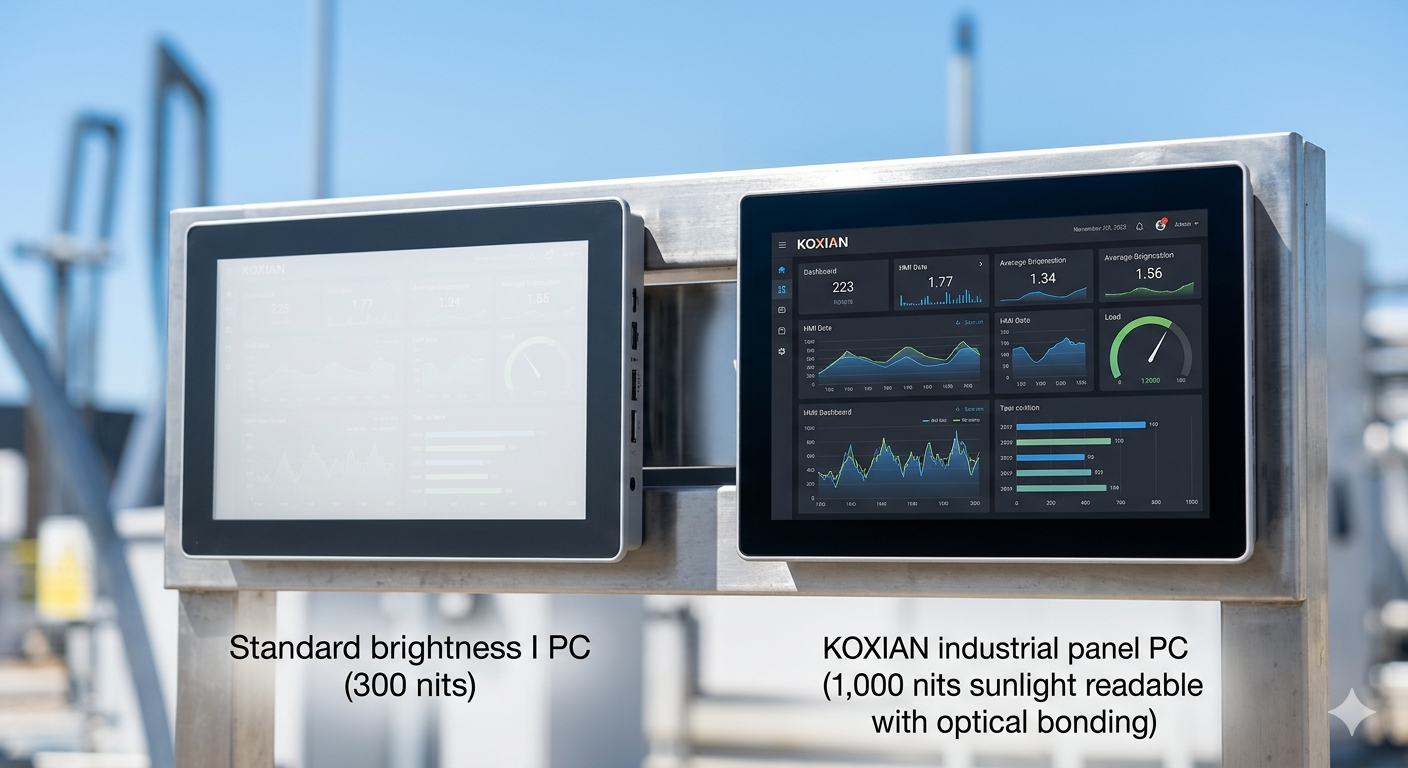
Outdoor lighting conditions are far more extreme than indoors. High-brightness screens can maintain clarity in sunlight, but if the anti-reflective coating is inadequate, users will still have difficulty seeing the interface due to strong reflections. A fully laminated structure is crucial under these conditions; the absence of an air gap between the glass and the LCD makes the image clearer and provides more stable reflection control. Notably, the K-Display G1 industrial all-in-one computer can be equipped with a 1000-nit high-brightness screen, benefiting from years of experience in optimizing display performance in sunlight, ensuring the image maintains natural colors outdoors, rather than the “washed-out” look often seen with simply increased brightness.
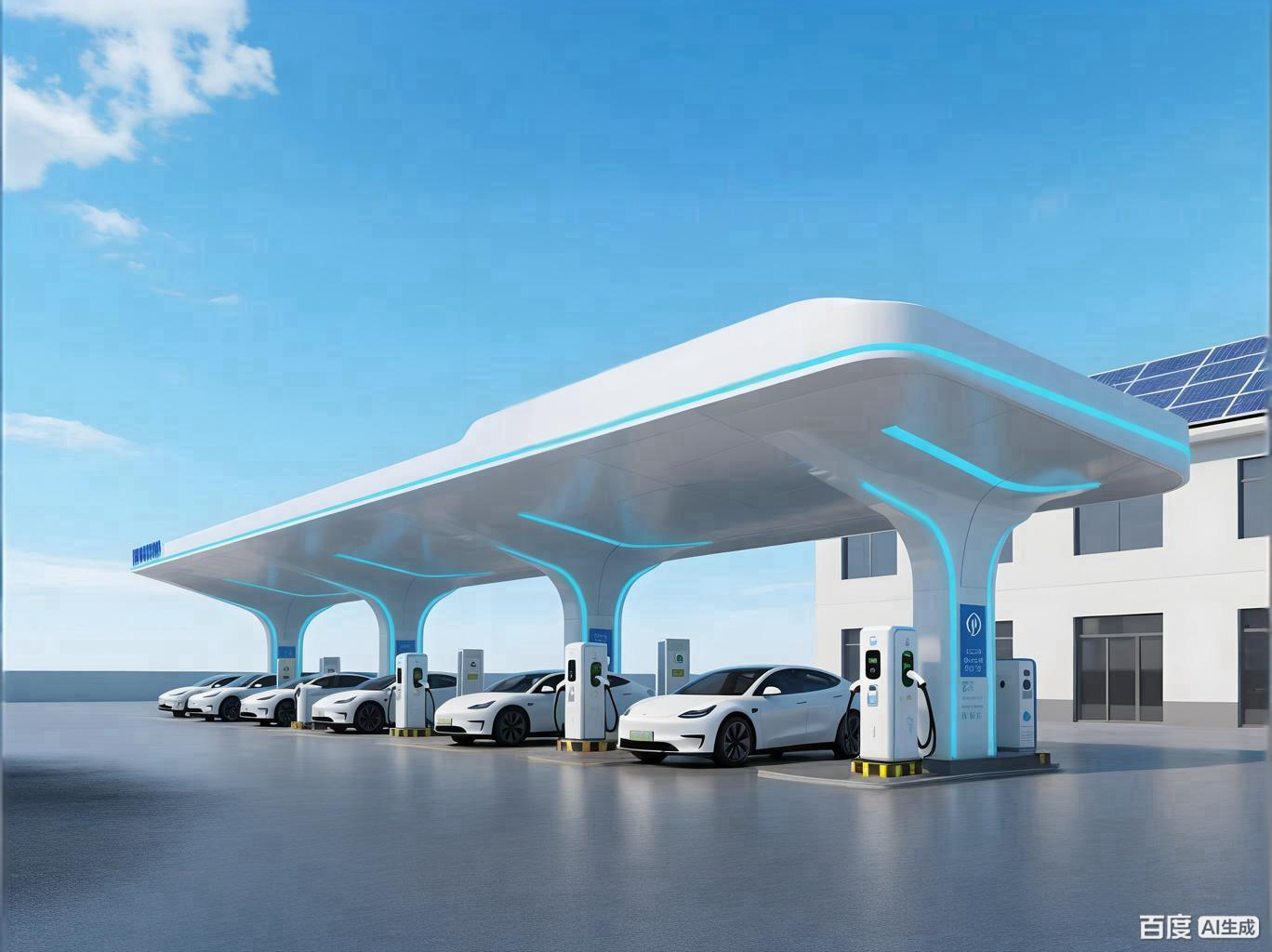
Protection rating determines whether the equipment can truly withstand outdoor environments.
Outdoors means unpredictable weather; rain, fog, or sand can all penetrate the equipment, making a high protection rating essential. The value of an IP65 front panel lies in its ability to prevent moisture or dust from easily entering the internal structure. A metal casing is more reliable in this context, preventing immediate screen damage from collisions and minor impacts. When the equipment is installed at construction sites, port terminals, or outdoor power distribution cabinets, this level of durability often directly determines its lifespan.
Wide temperature range capability ensures the machine remains stable in extreme weather.
Outdoor temperatures are not as mild as indoors. Winter temperatures can approach freezing, while summer temperatures can be extremely high. A wide temperature design allows the industrial all-in-one computer to start and operate normally in these environments, without experiencing black screens, performance degradation, or system crashes. The heat dissipation structure is also crucial; passive cooling reduces the risk of dust ingress, while active cooling is more effective at dissipating heat in high-temperature regions. Different regions have different operating conditions, so choosing the right structure is more meaningful than simply looking at specifications.
Interface stability affects the overall efficiency of outdoor operations.
Outdoor operations often require connecting devices such as cameras, sensors, and mobile network modules. These interfaces are more prone to unstable connections under conditions of bumps, vibrations, or exposure to wind and sun. The locking design of industrial-grade interfaces plays a crucial role in preventing signal interruptions due to loosening. If data transmission is affected, outdoor inspection, data collection, and scheduling may be forced to stop, which is clearly unacceptable in the field. Stable interfaces are like “invisible insurance” for outdoor systems; their presence may not be obvious, but they are crucial.
Appearance, structure, and installation methods determine suitability for outdoor conditions.
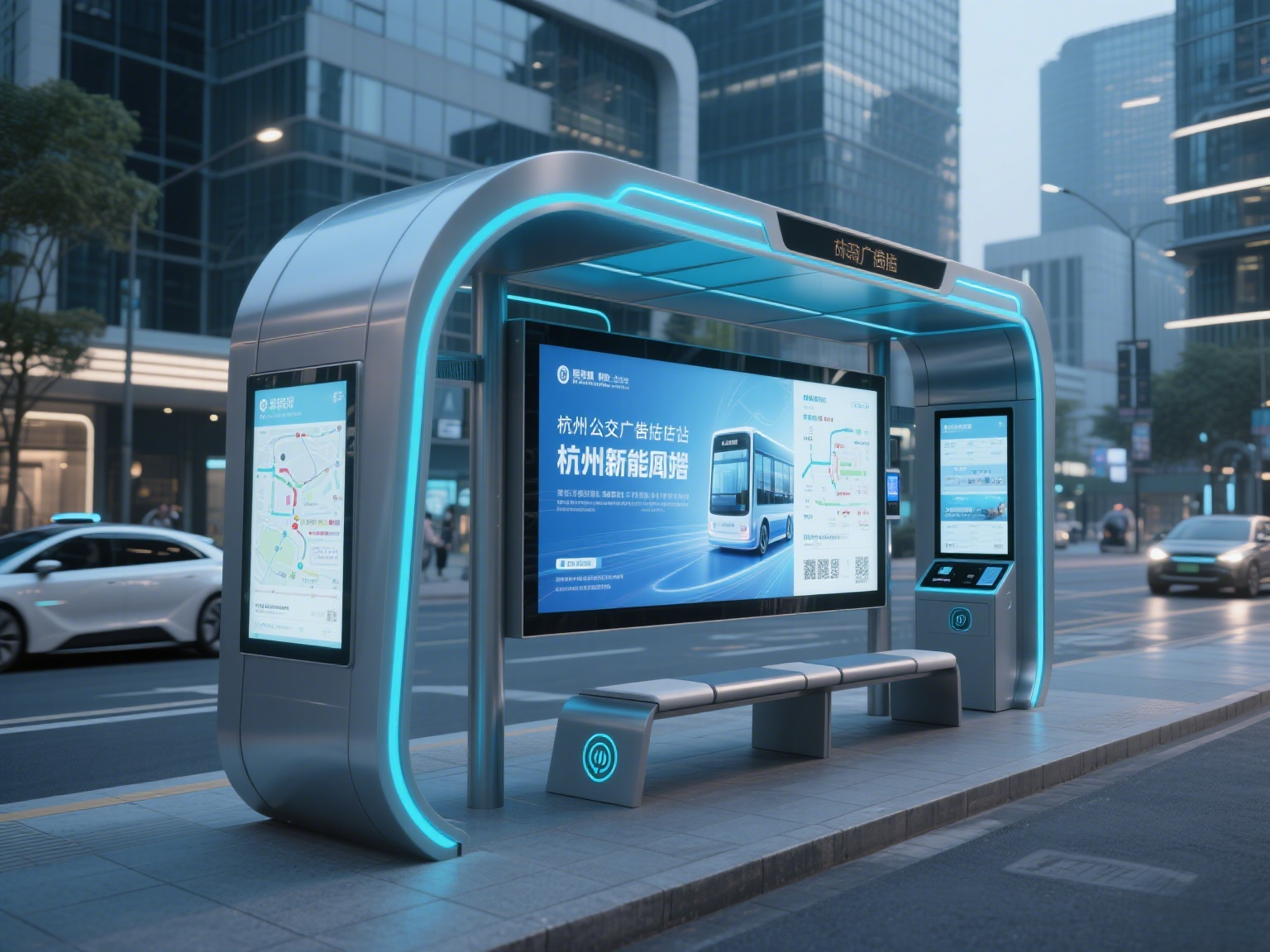
Outdoor environments lack uniform installation conditions; they may involve poles, control cabinets, equipment enclosures, or temporary construction sites. The more flexible the installation method of an all-in-one machine, the better it can adapt to different field conditions. The structural strength provided by a metal casing not only provides greater peace of mind during transportation and installation but also ensures higher reliability for long-term use. Therefore, Control Display Technology has designed its products with field conditions in mind, offering a variety of mounting accessories and structural solutions to make outdoor deployment easier.
Conclusion
The challenges of outdoor operations go far beyond just lighting issues; a high-brightness screen is only the basic requirement. What truly determines whether an industrial all-in-one machine can operate stably outdoors for extended periods is its protection, structure, heat dissipation, wide temperature range capabilities, interface reliability, and installation method. Each of these aspects is like a “survival condition” tailored for the outdoor environment. In complex field conditions, only equipment with truly comprehensive capabilities can keep the system stable and online, allowing staff to confidently entrust critical tasks to it.