In the early days of factory automation, Mechanical Hard Disk Drives (HDDs) were the standard for data storage. However, as industrial environments became more demanding, the shift toward Solid State Drives (SSDs) marked a pivotal era in industrial computing. For modern engineers, understanding this transition is key to ensuring system longevity and reliability.
The Vulnerability of Moving Parts
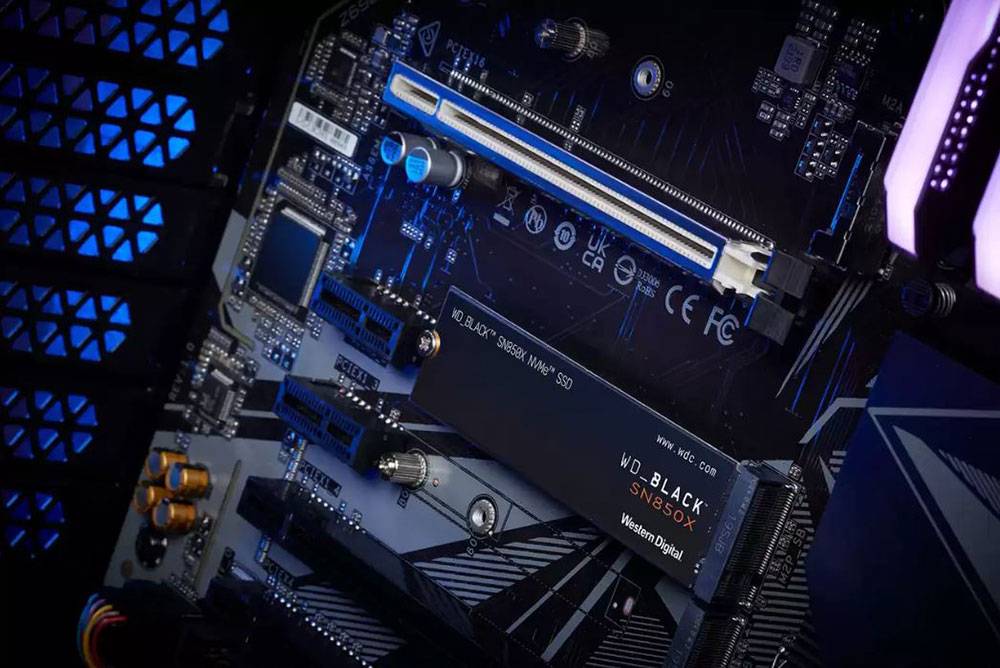
HDDs rely on spinning magnetic platters and physical read/write heads. In a factory setting, even minor vibrations from heavy machinery can cause head crashes and permanent data loss. This mechanical vulnerability was the primary bottleneck in early industrial deployments.
Why SSDs Redefined Industrial Stability
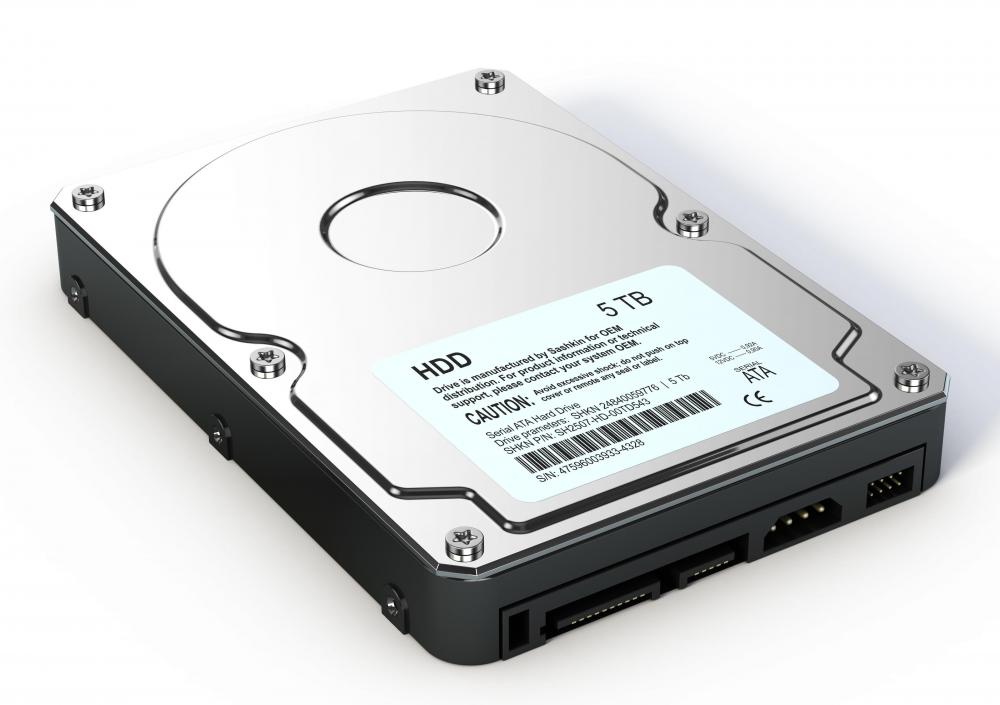
SSDs utilize NAND flash memory, containing no moving parts. This architecture offers three critical advantages for industrial applications:
- Shock & Vibration Resistance: SSDs are virtually immune to the physical stresses of a production floor.
- Thermal Performance: SSDs operate with significantly less heat and support the wide temperature ranges required in harsh settings.
- Speed & Latency: Faster boot times and instantaneous data access are essential for real-time MES and SCADA monitoring.
Future-Proofing with Rugged Hardware
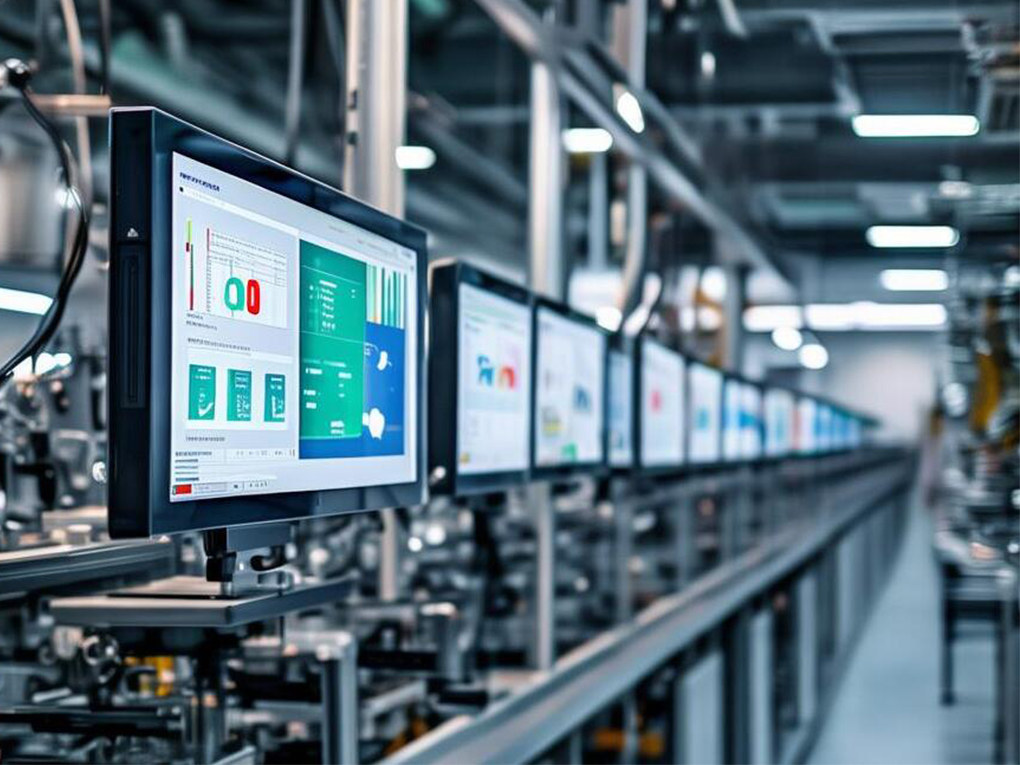
Today’s industrial leaders no longer settle for standard storage; they demand fully integrated, rugged solutions.
For instance, KOXIAN’s industrial panel PCs utilize high-grade industrial SSDs that complement their fanless, fully enclosed aluminum chassis. This synergy between storage architecture and thermal management allows hardware to maintain peak performance during 24/7 operations in extreme environments.
The Cost of Reliability
While HDDs once held a price advantage, the total cost of ownership (TCO) favors SSDs. Reduced downtime, lower power consumption, and extended lifecycles make SSD-based systems the only logical choice for modern IIoT infrastructure.
Whether you are upgrading a legacy line or building a smart factory from scratch, the move to solid-state architecture is a non-negotiable step toward industrial excellence.