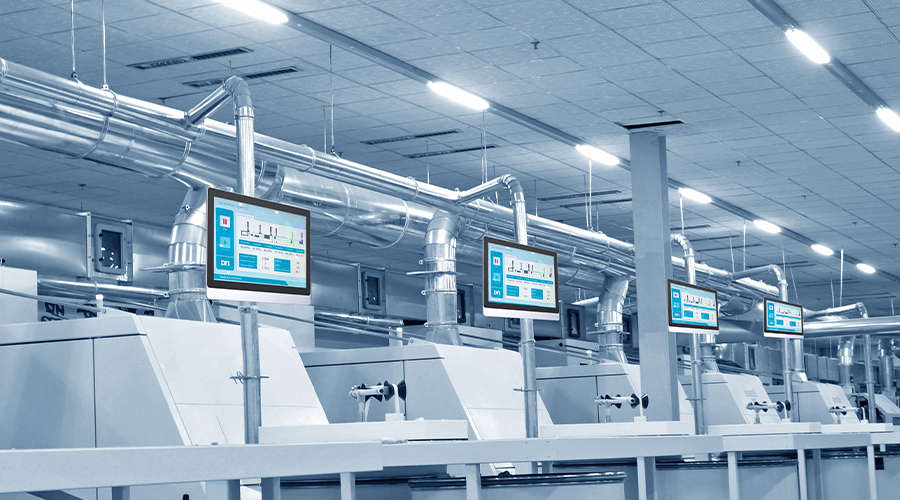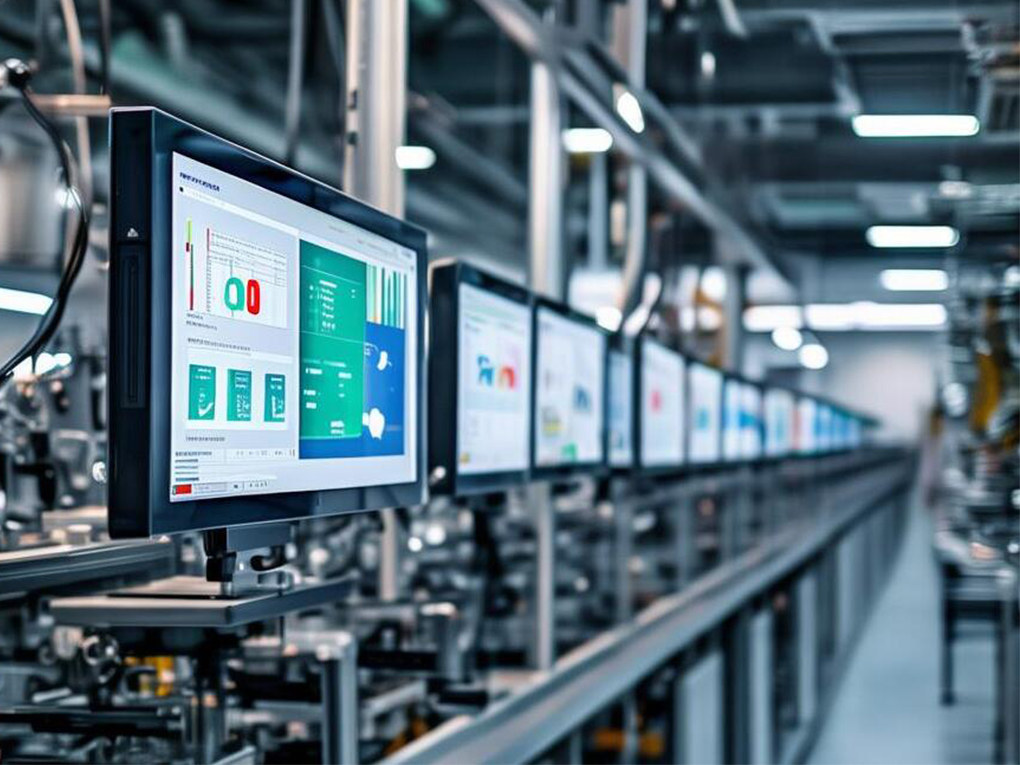
In factory automation and Industrial IoT (IIoT), choosing the right hardware is only half the battle. The real decision that dictates long-term stability and software compatibility is the Operating System (OS). Should you go with the ubiquitous Windows or the open-source power of Linux? This guide breaks down the essential factors for your next deployment.
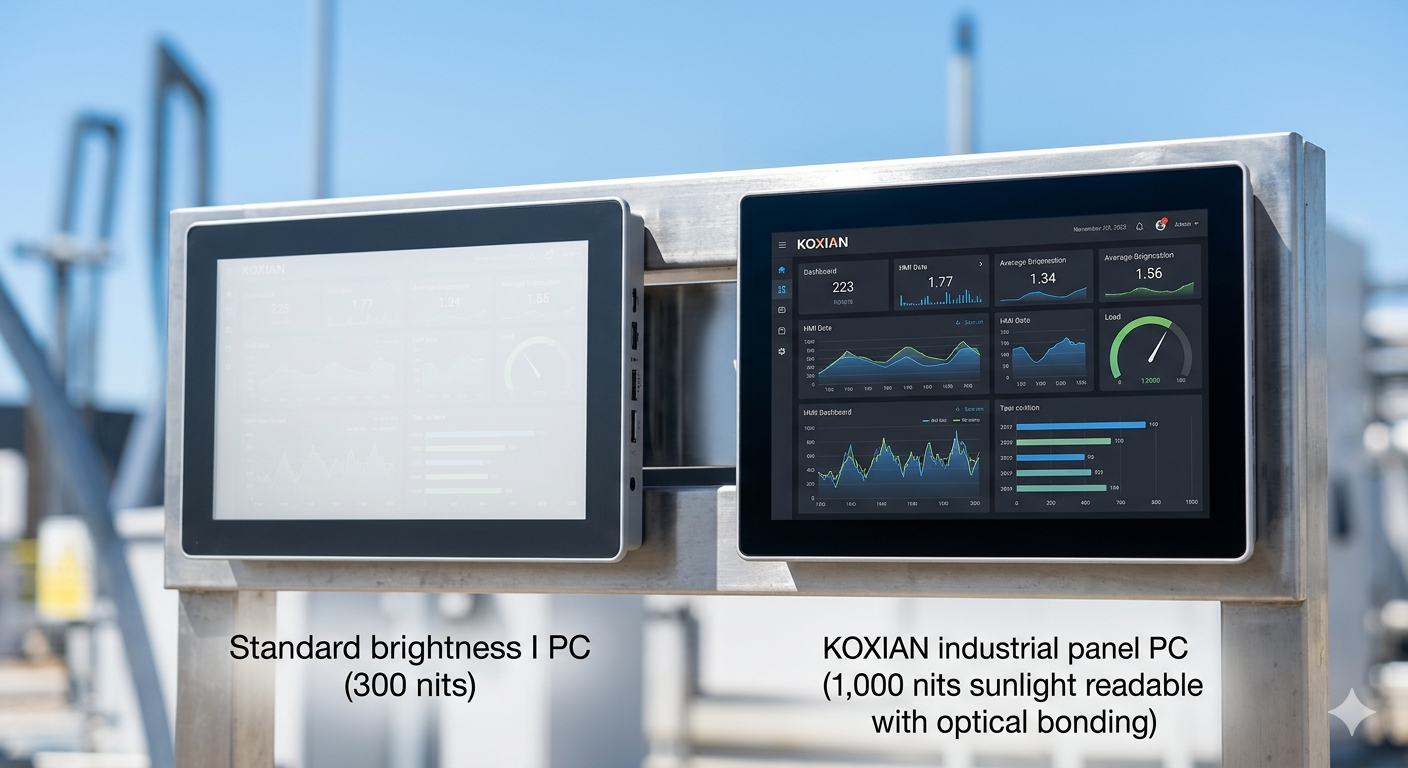
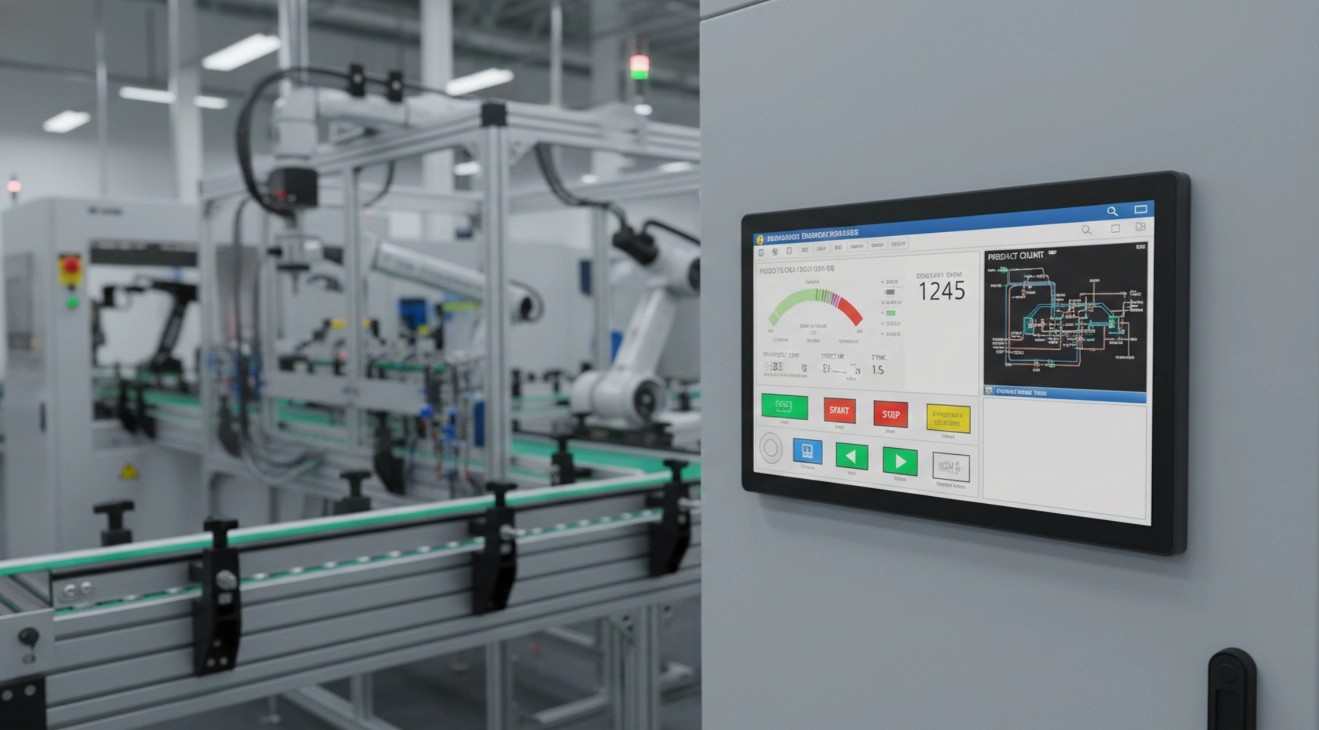
Windows, particularly Windows 10 Professional, remains the standard for industrial environments due to its universal compatibility. It is the go-to choice if your facility relies on complex SCADA, ESOP, or MES software designed primarily for x86 architectures. The familiar interface reduces staff training time, and driver support for specialized sensors or PLCs is typically “plug-and-play.” For environments requiring high-performance computing, the KOXIAN G3 series embedded industrial panel PCs offer a perfect hardware foundation. Their fully enclosed aluminum bodies and IP65 protection ensure that your Windows-based systems run 24/7 without interruption, even in harsh conditions.
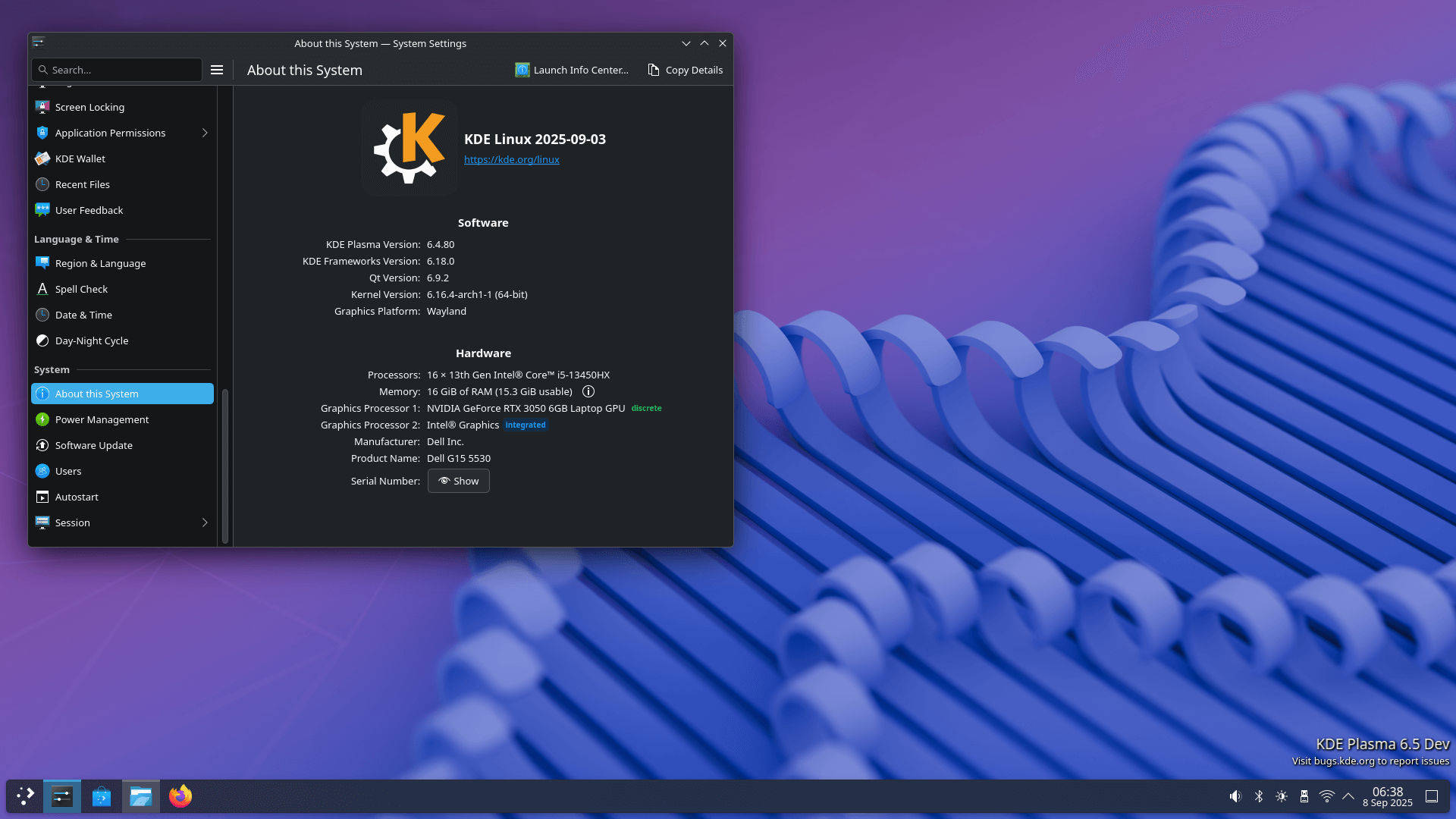
Conversely, Linux (such as Ubuntu or Debian) is the king of customization and cost-efficiency. With zero licensing fees, it significantly lowers the total cost of ownership (TCO) for large-scale deployments. Linux is highly secure, lightweight, and grants engineers granular control over system updates, preventing unexpected reboots during critical production cycles. This makes it ideal for AI-driven tasks and edge computing. For specialized visual applications like face recognition or QR scanning, KOXIAN’s 10.1-inch industrial PC with an integrated 5MP HD camera is a top-tier choice. Supporting both x86 and ARM architectures, it allows you to deploy secure Linux environments with a standby power consumption of just 2W.
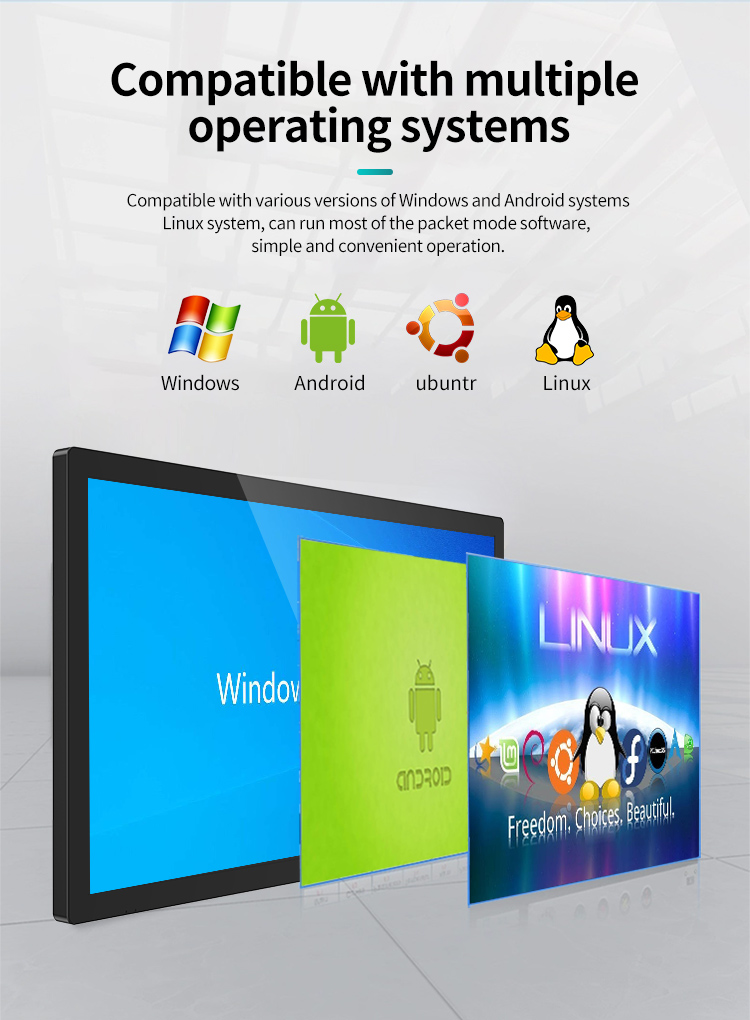
Ultimately, your choice depends on your software ecosystem. Choose Windows for immediate compatibility and ease of use, or opt for Linux for maximum security and lower long-term costs. At KOXIAN, we provide versatile industrial computing solutions that support Windows, Linux, and Android, ensuring your hardware is as flexible as your software.