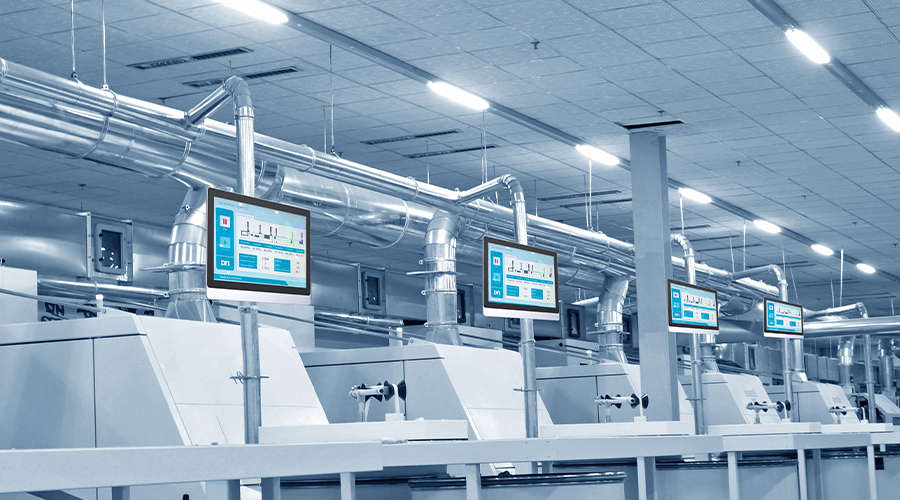
In the factory environment, touch all-in-one machines have become the core entrance to the production site. Whether it is operation instructions, data collection, process switching, or equipment monitoring, the screen is the first interactive surface. As long as the experience is poor, there will be significant fluctuations in on-site efficiency. So choosing a screen is not a random choice, but a key factor that directly affects the pace of work. IPS screens have become the mainstream choice for industrial touch all-in-one machines in response to this demand.
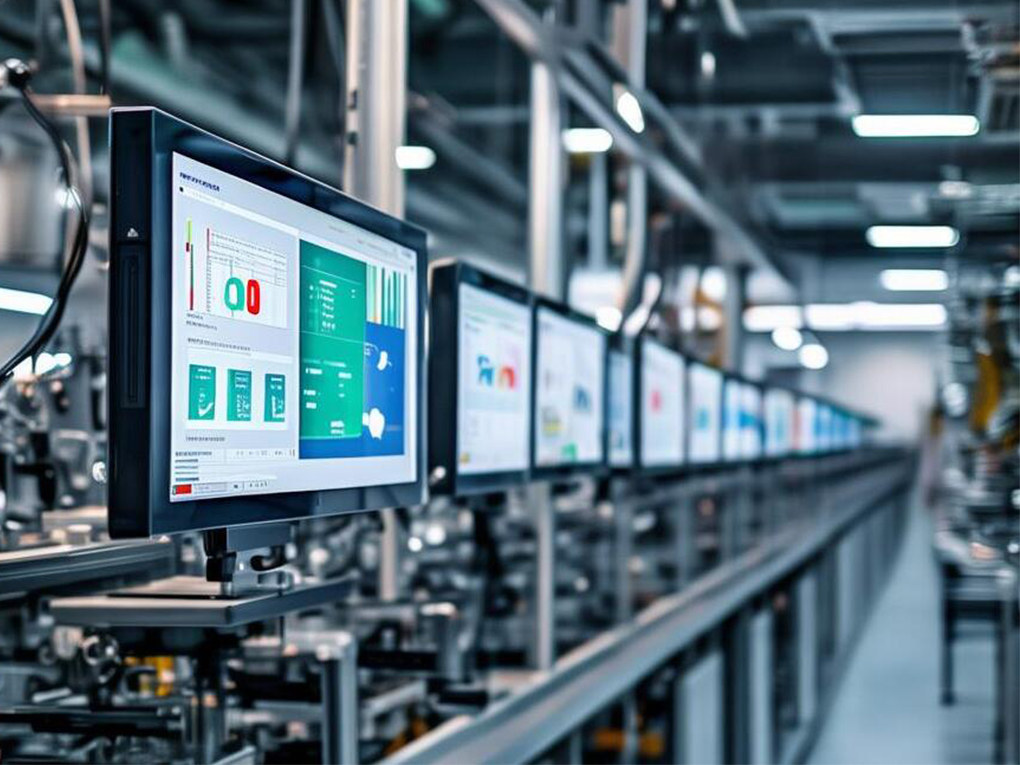
Visual angle affects operational accuracy
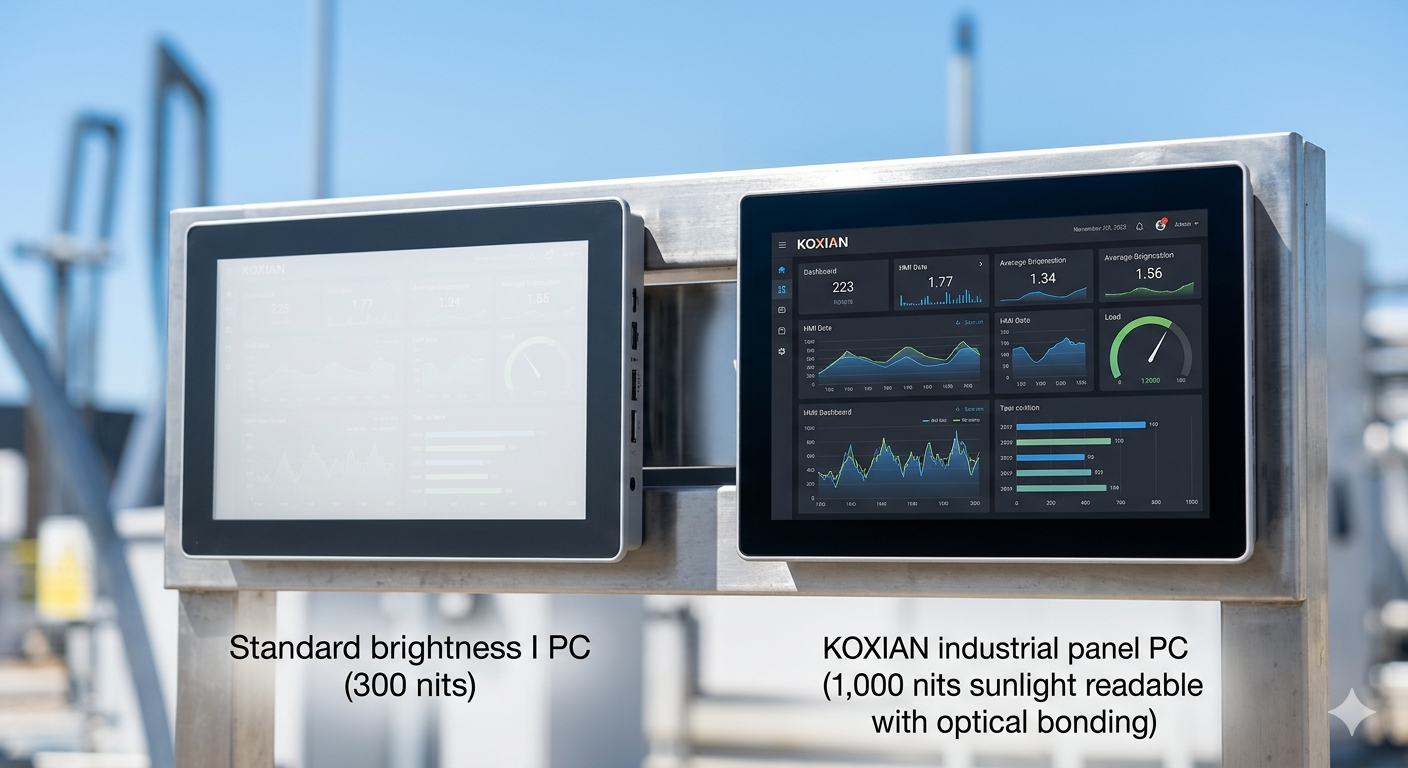
Not every workstation on the production site can achieve frontal operation. It is normal for the angle to be slightly off, the distance to be farther, and the light to be weaker. If the screen uses TN or VA, if the angle is biased, the color will immediately deform, the content will instantly turn gray, and even exhibit color reversal. Workers are prone to errors when judging buttons, parameters, and graphics. The wide-angle feature of IPS screens makes them more stable, with clear images even when standing, looking further away, looking down, or looking up. Over the long term, the error rate decreases and the cost of understanding is also lower. It is worth mentioning that the Yanxian Touch G1 industrial touch all-in-one machine leans more towards the real lighting of industrial environments in terms of brightness and color calibration of IPS screens, and the interface can also maintain clarity in strong light areas.
Stable image quality affects data presentation
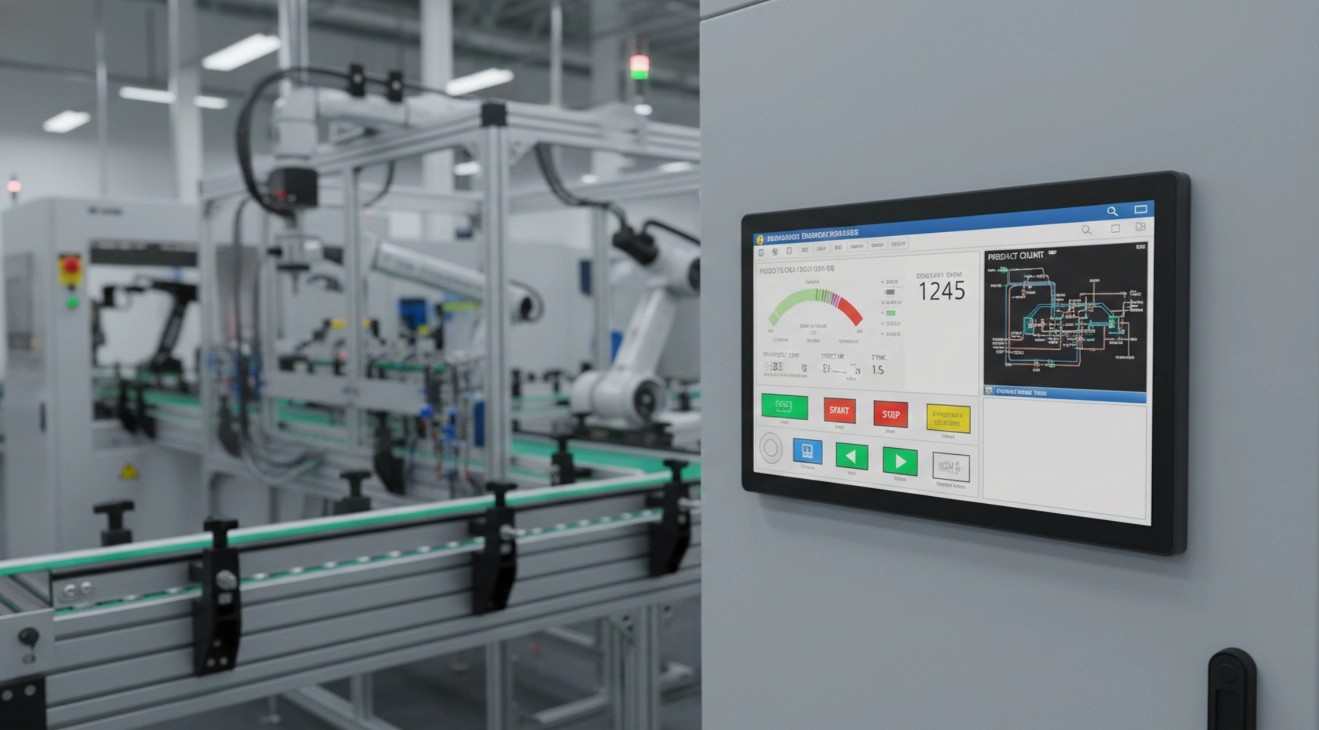
The industrial control interface not only has text, but also charts, curves, warning color blocks, and equipment status diagrams. If the display is unstable and the color deviation is too large, workers are prone to misjudgment when looking at the data. The color consistency of IPS is more reliable, and when multiple workstations observe the same chart at the same time, there will be no understanding deviation due to screen differences. Visual stability not only brings good looks, but also makes it easier for operators to grasp key information, especially on fast-paced assembly lines.
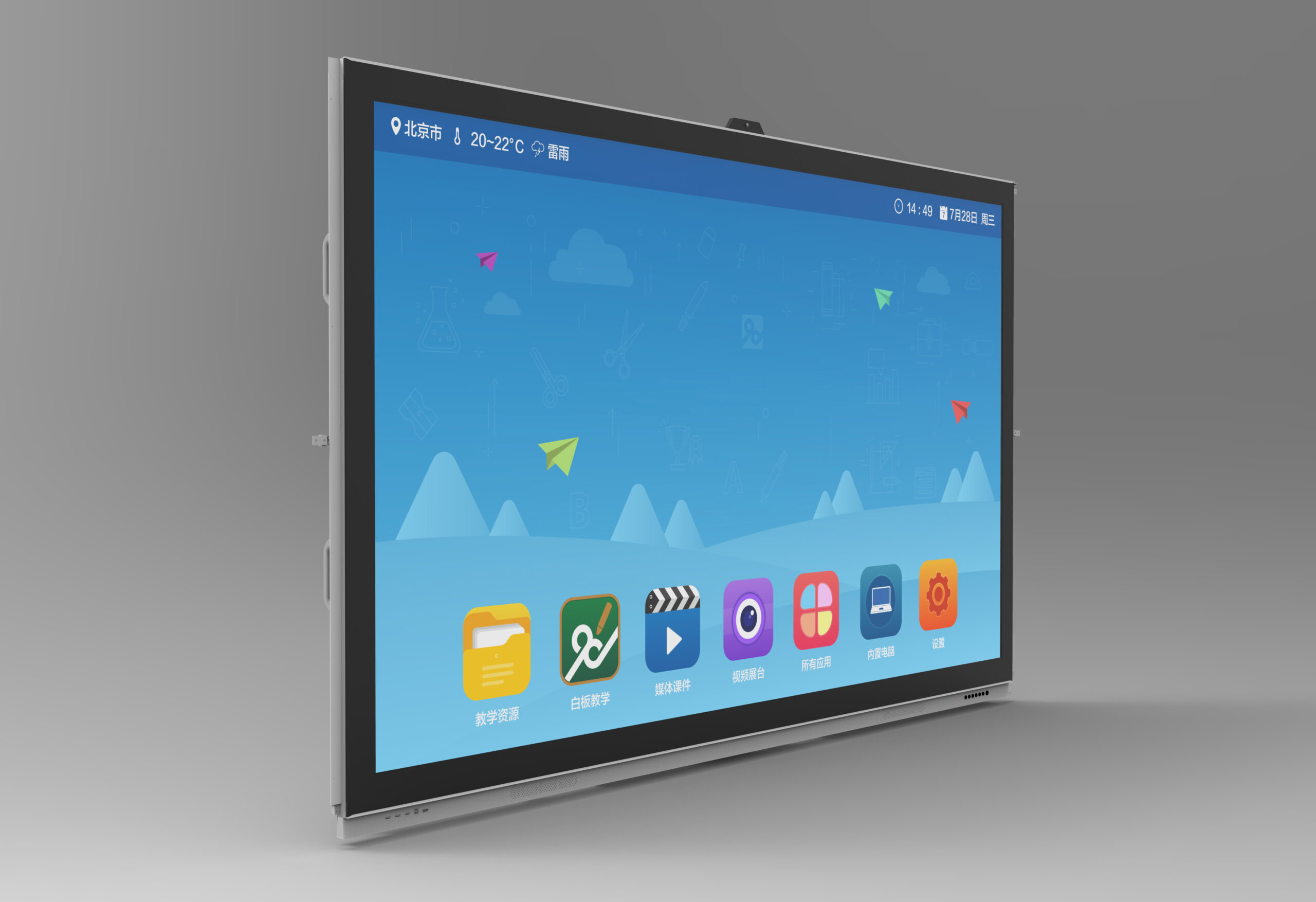
The R&D touch G2A embedded industrial control all-in-one computer adopts an original capacitive screen, with high resolution, fast response, no blind spots in touch, and a surface treated with foam and fog for higher stability
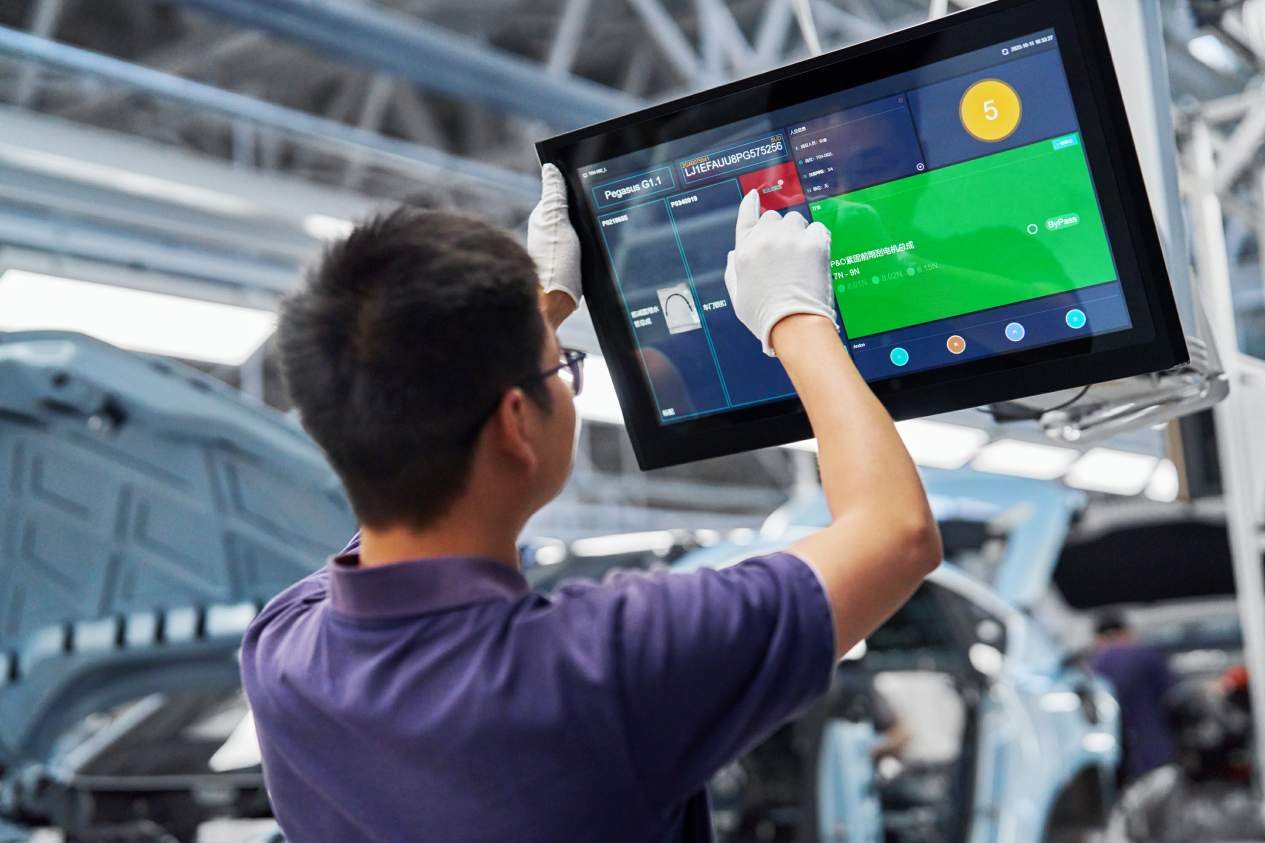
Touch experience is closely related to screen type
The tactile sensation of a touch all-in-one machine is not only related to the touch layer, but also to the screen response speed and display characteristics. IPS screens have lower response latency, more natural operation and feel, and there will be no obvious ghosting when dragging, zooming in, or switching interfaces. The production site operation is generally fast-paced, and workers are accustomed to responding as soon as they touch it. If the screen hesitates for a moment, the entire operation rhythm will be interrupted. The smooth display of IPS makes the touch experience more like that of a phone or tablet, reducing errors and accidental touches.
Industrial environments have higher requirements for stability
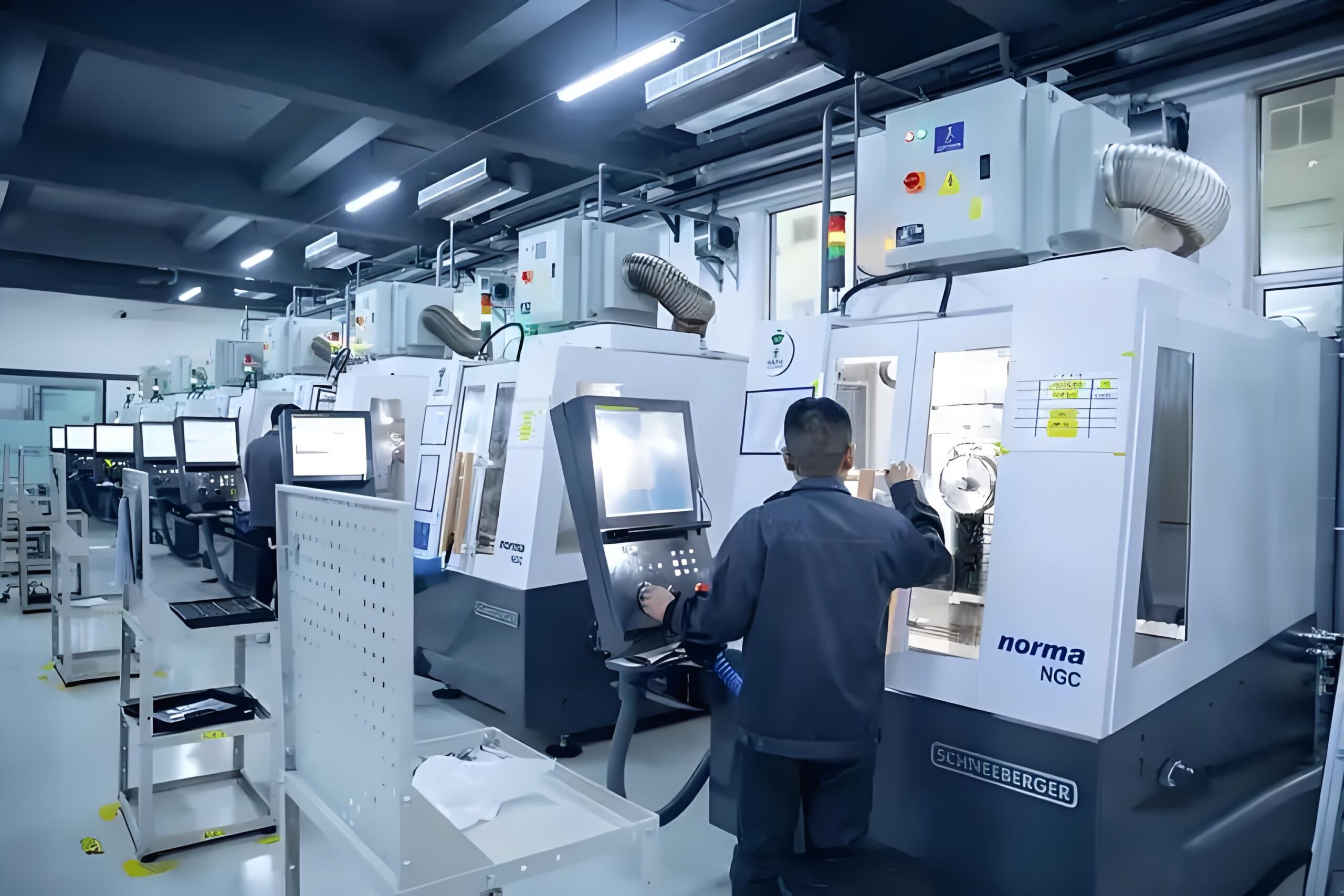
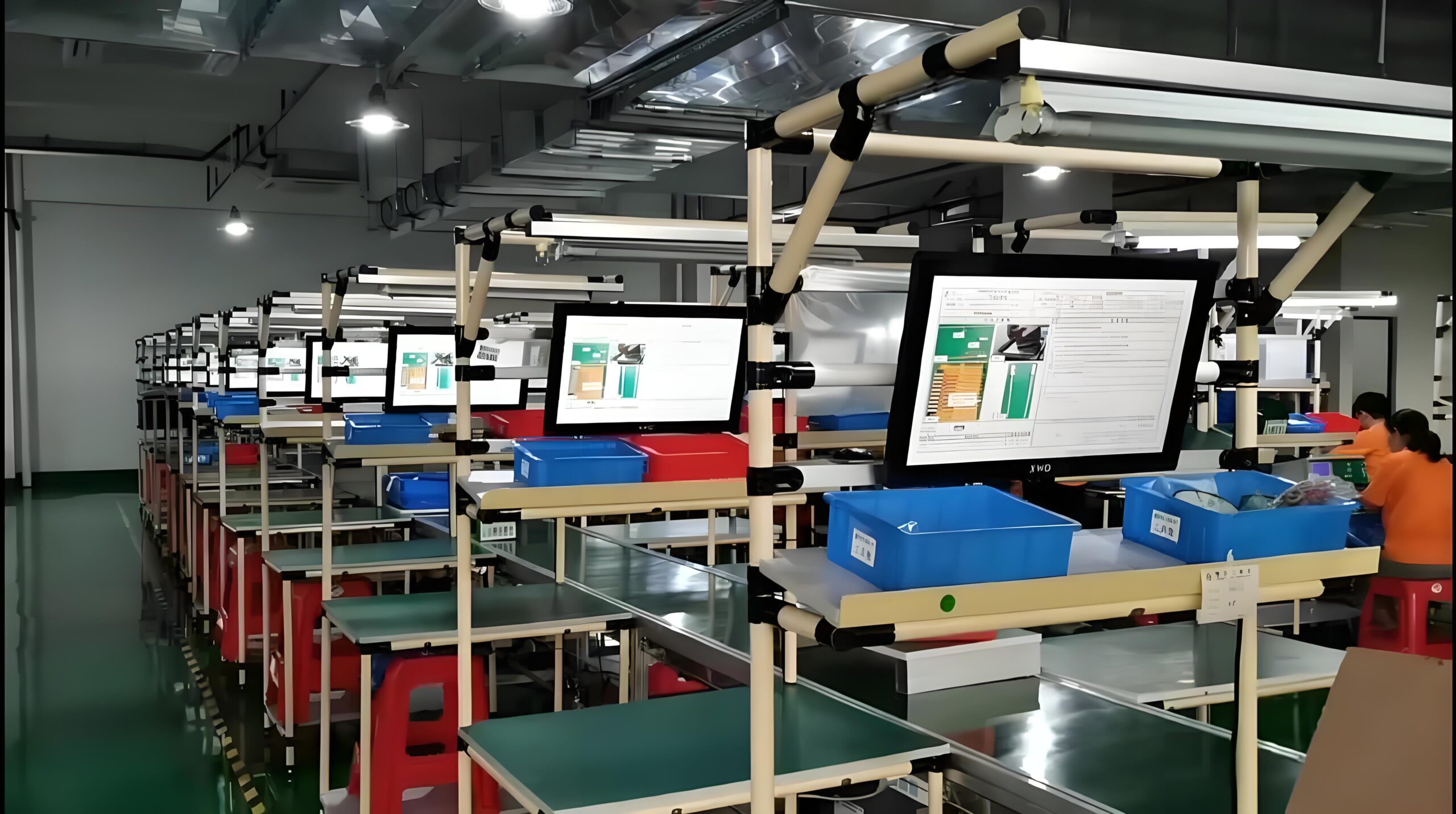
A factory is not an office. Frequent temperature changes, complex lighting, high levels of dust, and common vibrations can all create pressure on the screen structure. IPS screens experience slower brightness decay and less noticeable color drift over long-term operation. In the same environment, it is more able to maintain high brightness than TN and more difficult to produce dark corners than VA. When the device is running around the clock, a stable screen means less maintenance needs. The cost of factory shutdown is high, and the more worry free the screen is, the higher the overall equipment revenue.
Under different installation methods, IPS screens are more adaptable to changes in workstations
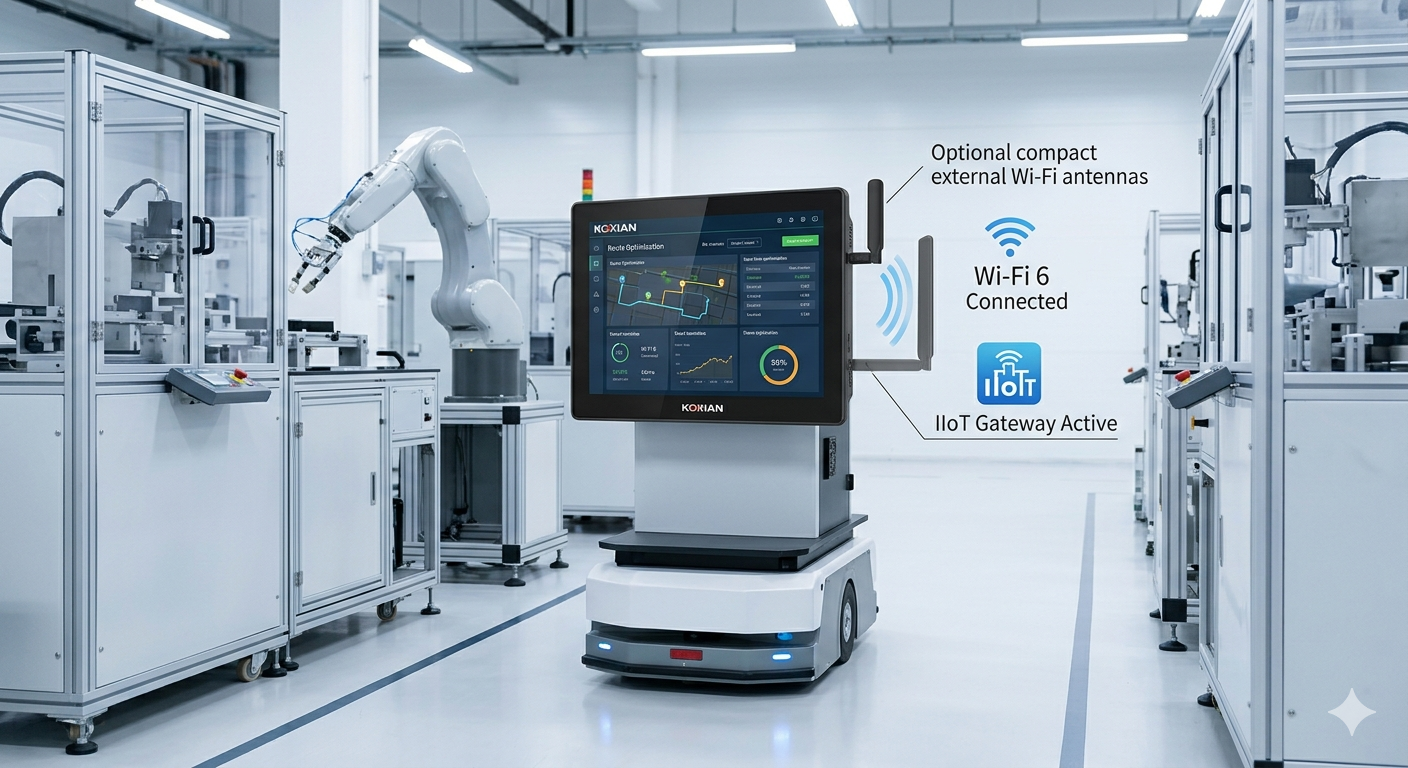
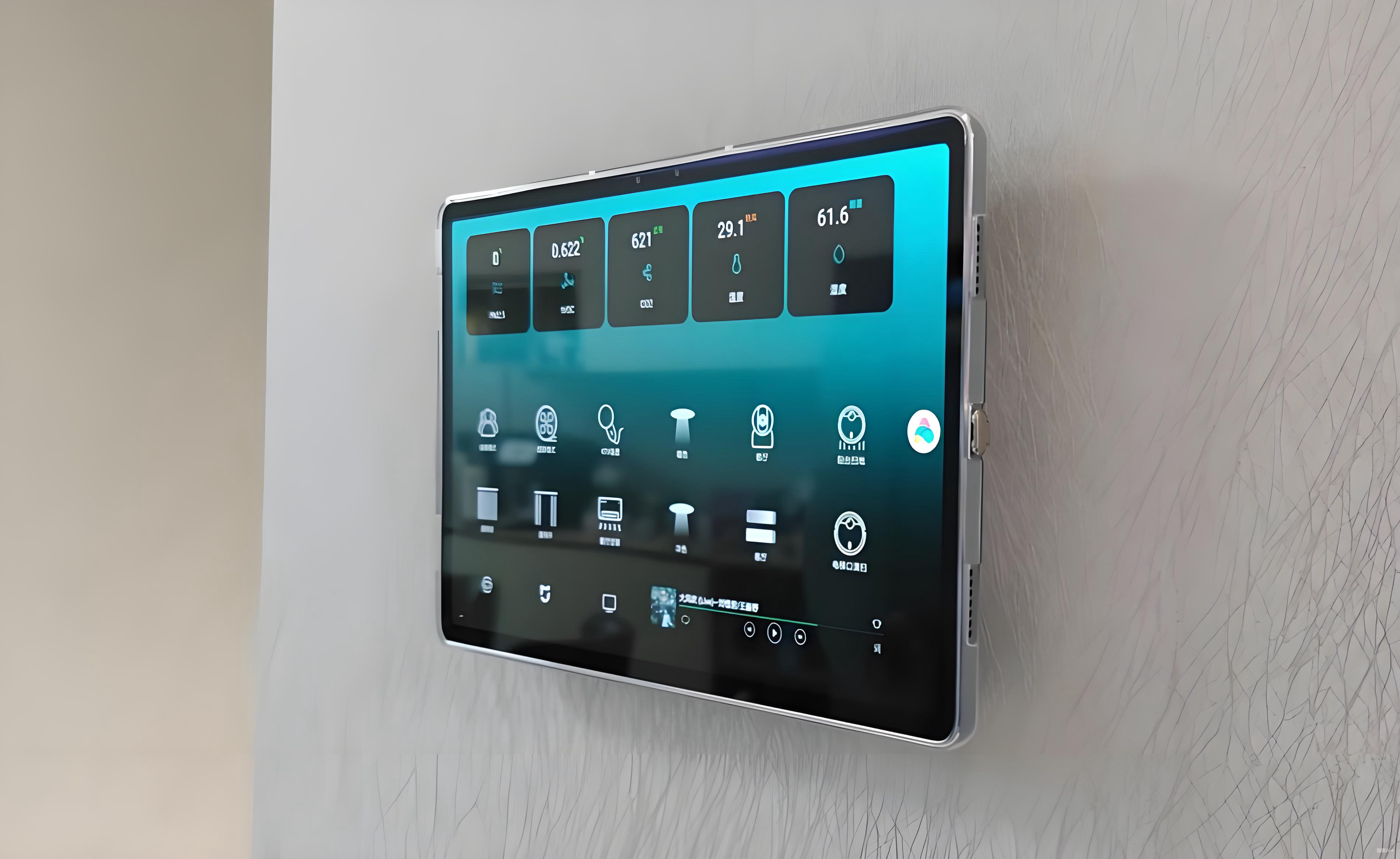
The installation of workstations is not a fixed standard. Some people need wall mounted, some need cantilever, and some need embedded installation. After the screen position changes, angle deviation is inevitable. IPS can ensure stable display of images from any angle, and this adaptability allows devices to be used smoothly in more workstations. However, in the research and development of the G1N industrial touch all-in-one machine solution, IPS screen has become the default configuration, ensuring that the device can maintain a consistent experience in various installation methods.
Conclusion
The screen of an industrial touch all-in-one machine is not only a display panel, but also a key node that affects the production rhythm. The IPS screen brings stable viewing angle, image quality, smooth touch, and durability performance, all of which improve the efficiency of the entire workstation. Workers can see more clearly, operate more smoothly, and maintain more easily, which naturally improves the overall factory experience. The more stable the screen selection, the more stable the on-site production. When touch all-in-one machines become the “first window” of the production site, the importance of IPS screens cannot be ignored.