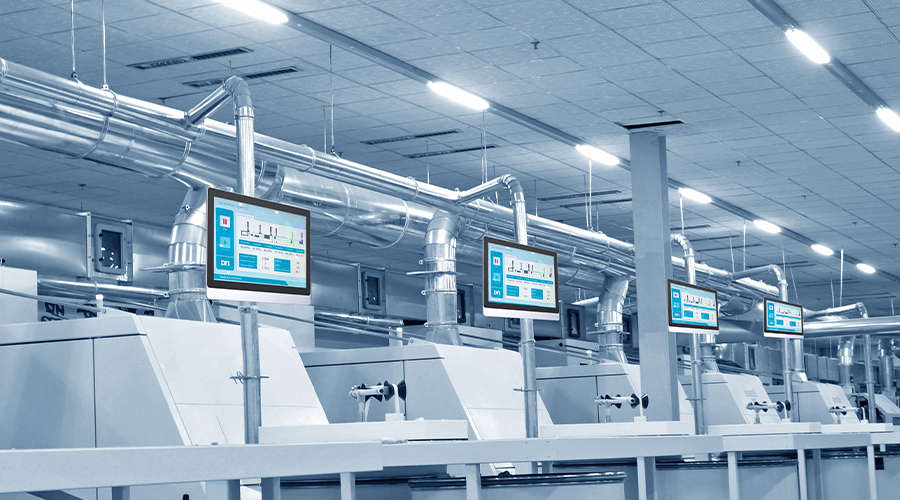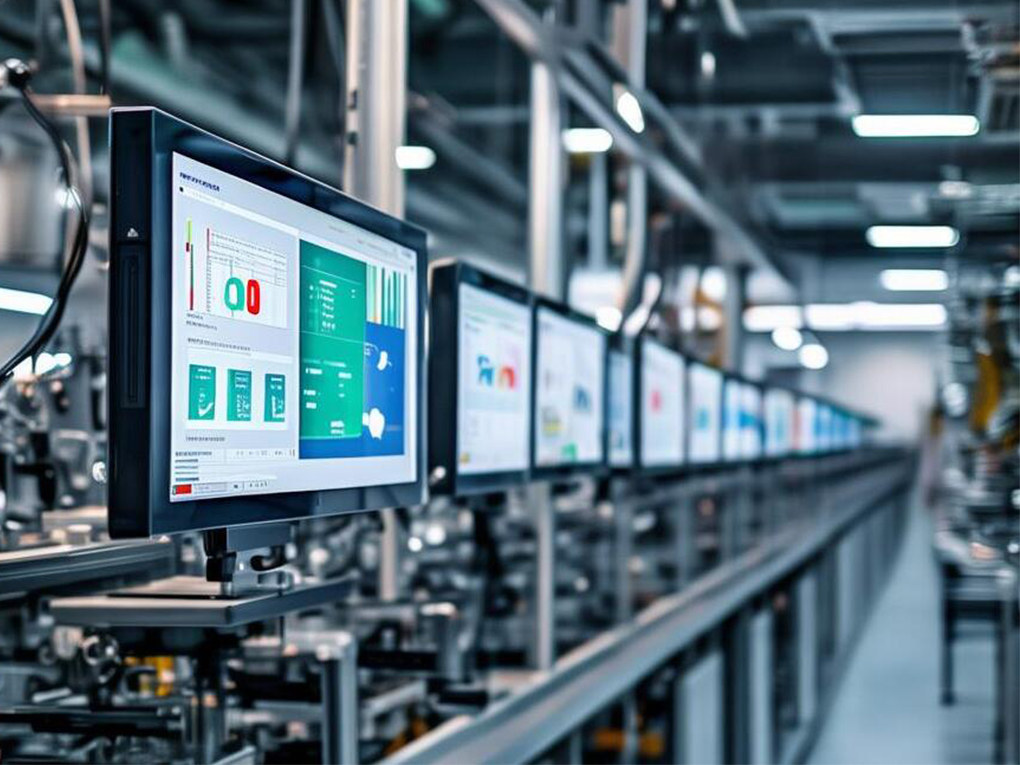
Industrial environments, with their fluctuating temperatures, dust, humidity, and vibrations, often take a toll on equipment. For industrial touch panel PCs to operate reliably in these conditions, the cooling method is often the deciding factor in their lifespan and usability. While both fully enclosed and actively cooled models can meet daily needs, their suitability for different scenarios varies significantly. Choosing the wrong type might seem insignificant, but it can actually disrupt production schedules.
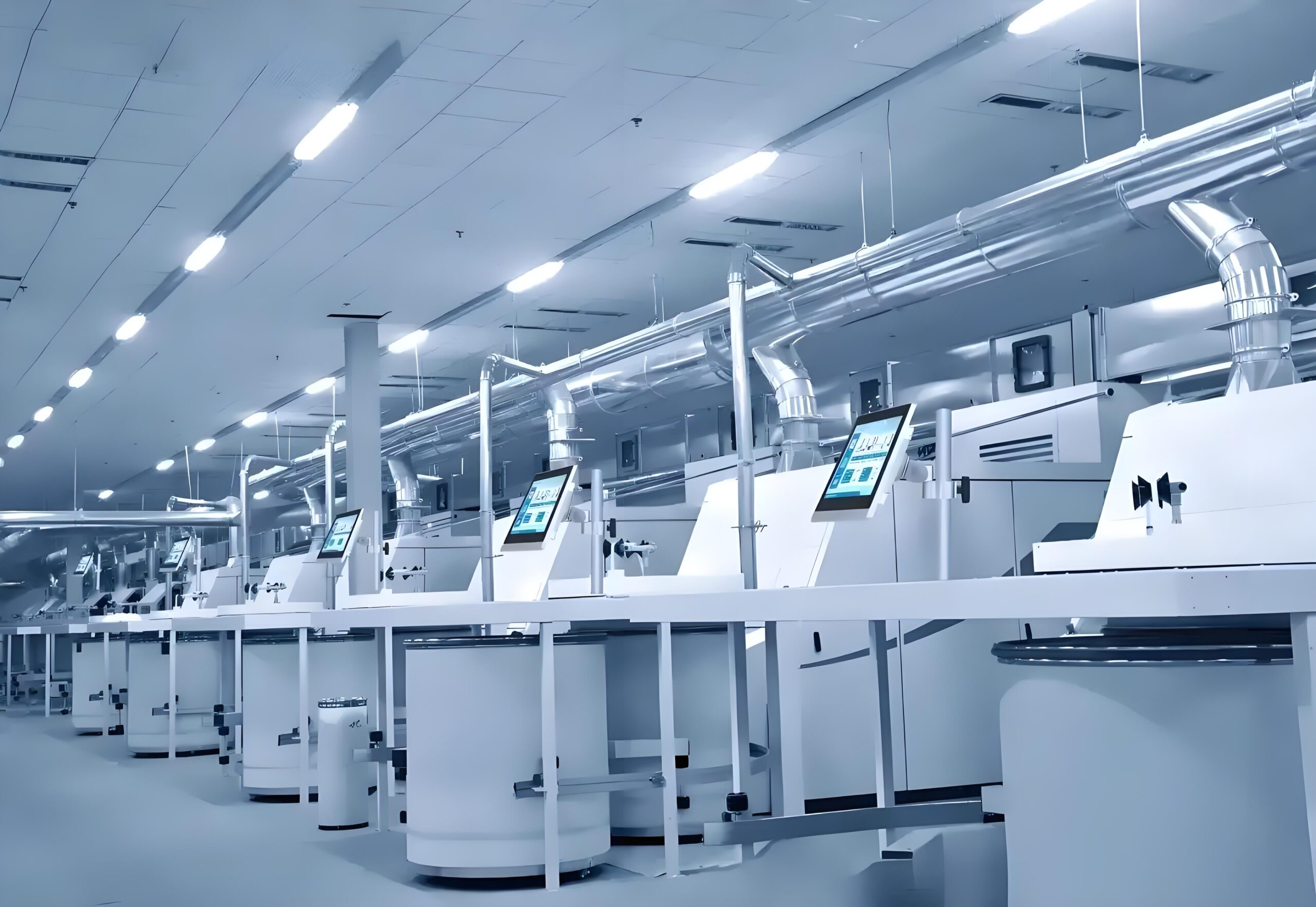
Fully Enclosed Structure: A “Sealed Fortress”
Fully enclosed industrial panel PCs give a sense of stability. Their compact casing has no ventilation holes or exposed fans. In dusty environments, they prevent contamination of the internal motherboard and touch system, which is especially important in powder processing workshops, woodworking areas, and processes with high humidity. The sealed structure also provides higher protection against collisions and liquid splashes. Wiping the surface with a damp cloth, a common cleaning practice in workshops, poses no problem for fully enclosed models.
Temperature control relies on the overall heat dissipation of the metal casing, with heat spreading along the outer shell. When the load is low, this method is quieter and more stable. However, in high-performance computing scenarios, the casing temperature will continuously rise, so these devices are best suited for locations with light interaction and low heat-generating tasks. It’s worth noting that the K-Display G2 industrial panel PC features enhanced thermal design in its fully enclosed models, maintaining even heat dissipation even during prolonged operation, preventing localized hotspots.
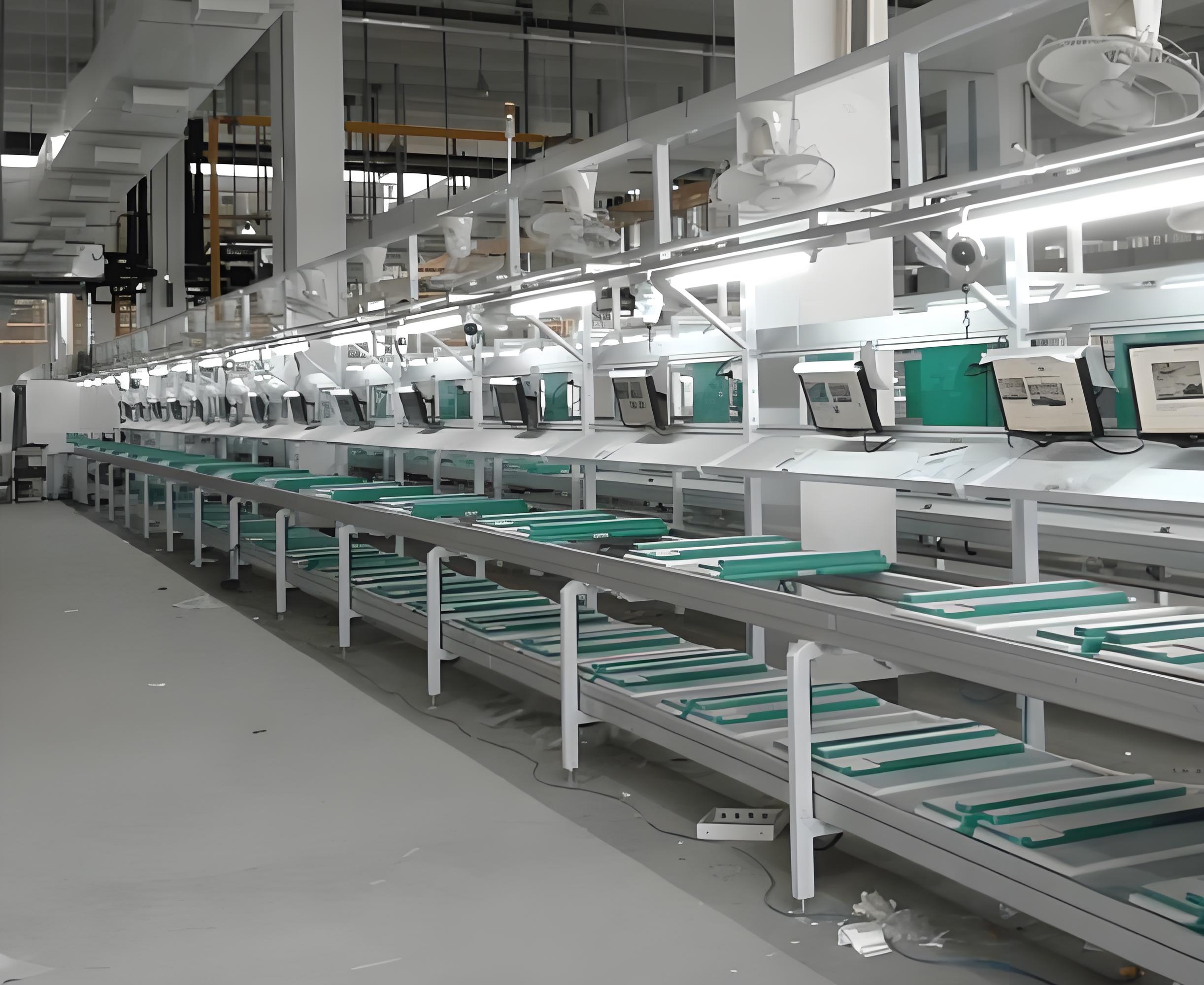
Active Cooling Structure: Suitable for High-Performance and High-Load Scenarios
Actively cooled models are characterized by their “high performance.” Fans provide stable cooling, allowing for continuous computation, consistent data writing, and long-term image processing without system slowdowns. Production line rhythm monitoring, real-time analysis, and visual inspection tasks require higher computing power, making actively cooled models more suitable for these scenarios.
Ventilation holes allow for smooth airflow, but this also means that a cleaner environment is required. Electronic processing areas, assembly stations, and light manufacturing lines with less severe dust levels are more suitable. Fan noise in modern industrial PCs has been significantly reduced, making it almost imperceptible to people on-site. Prolonged operation does not lead to heat buildup, ensuring stable system performance. Therefore, Kcontrol launched the G3A industrial touch panel PC, which utilizes a honeycomb cooling system combined with active cooling, and is equipped with Intel Core series high-performance, low-power processors, allowing it to handle intensive computing tasks with ease. Even with high CPU utilization, the device will not enter a frequency reduction state, ensuring a more consistent task execution pace. This cooling method is often preferred in locations with tight production schedules.
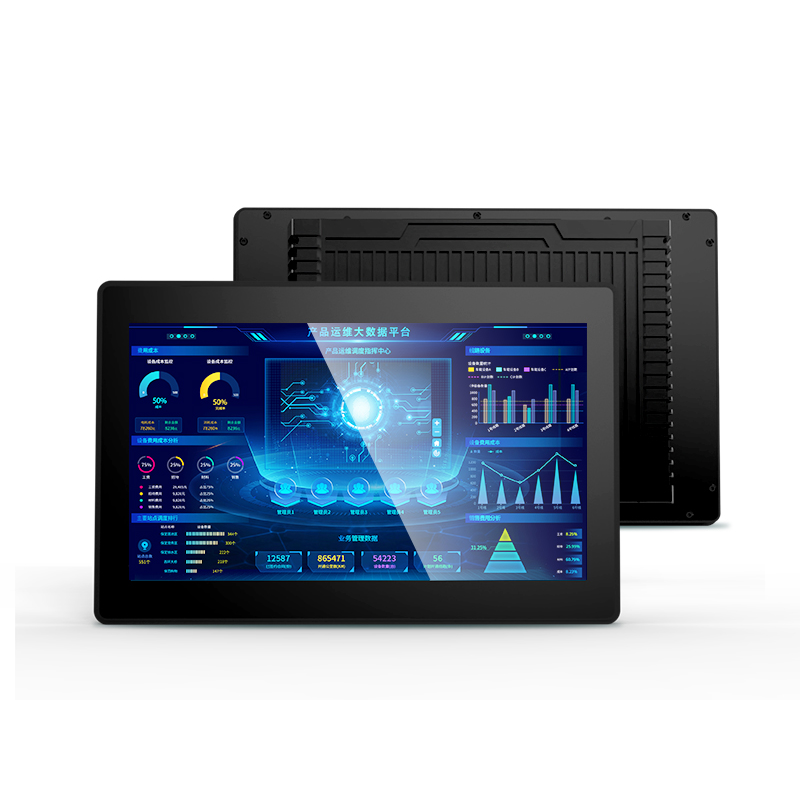
The application scenario dictates the choice, not the inherent superiority or inferiority of the structure itself.
Many people simply contrast fully enclosed structures with active cooling structures during the selection process, believing that sealed systems are inherently superior and that fans mean a higher risk of failure. In fact, neither structure is inherently better; they are simply designed by industrial control panel PC manufacturers to suit different operating environments.
In areas where dust, oil mist, and moisture are likely to intrude, a fully enclosed system is safer and eliminates concerns about internal dust accumulation leading to malfunctions. For positions requiring high data processing speed, fast response times, and demanding tasks, the advantages of active cooling become immediately apparent. The scenario dictates the equipment, not the other way around. The pollution sources, temperature, performance requirements, and maintenance habits of the workstation all influence the final choice.
Conclusion
The difference between fully enclosed and actively cooled industrial control panel PCs is not a cold, hard technical dividing line, but a genuine response to the on-site environment and usage requirements. If the workstation is dirtier, wetter, and more prone to splashes, a fully enclosed system represents greater survivability. If the workstation tasks are heavier, faster, and more reliant on computing power, active cooling is the more stable choice. Only by choosing the right cooling method can the industrial control panel PC maintain a consistent pace on-site and continuously contribute value to production.