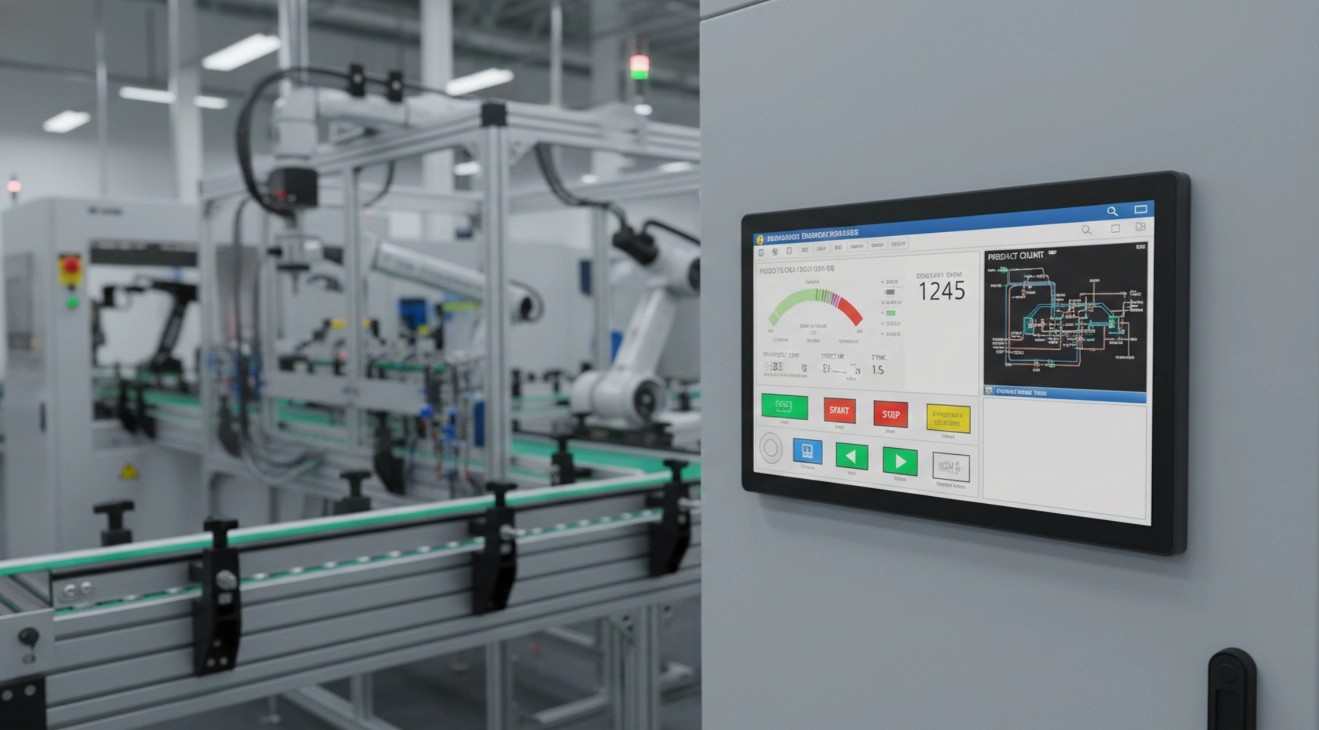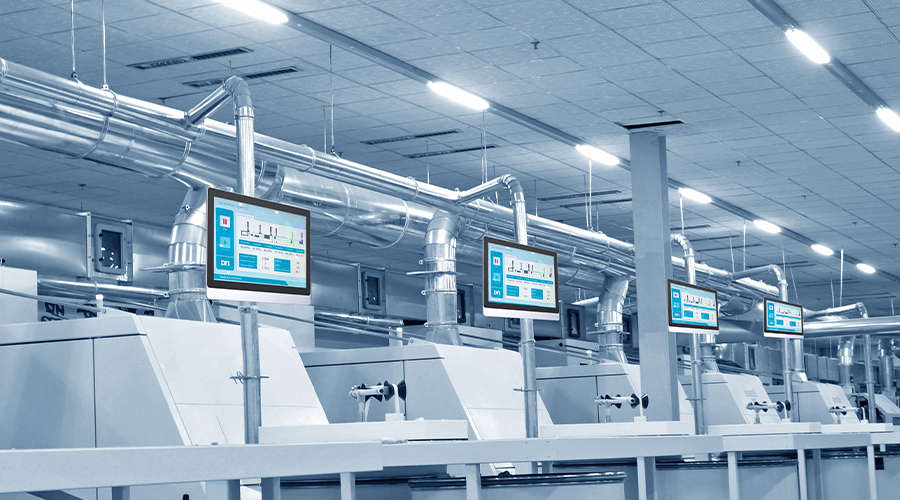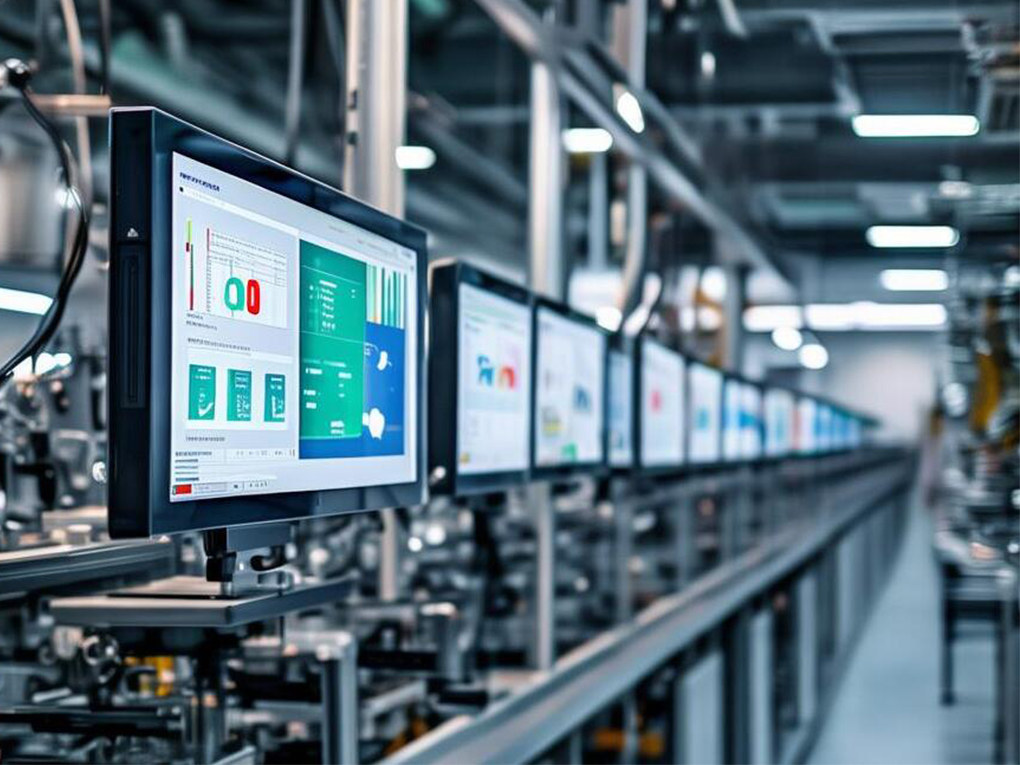
Industrial touch panel PCs have become a crucial entry point for production line digitalization. System operation, access control, and data acquisition all rely on this single screen. Different processing platforms have significant differences in functionality, power consumption, and compatibility, often leading to difficult choices for businesses. X86 can run large systems but has higher power consumption, while ARM is lightweight and efficient but has limited compatibility. Achieving a stable production line without incurring excessive costs requires a careful consideration of the actual application scenario.
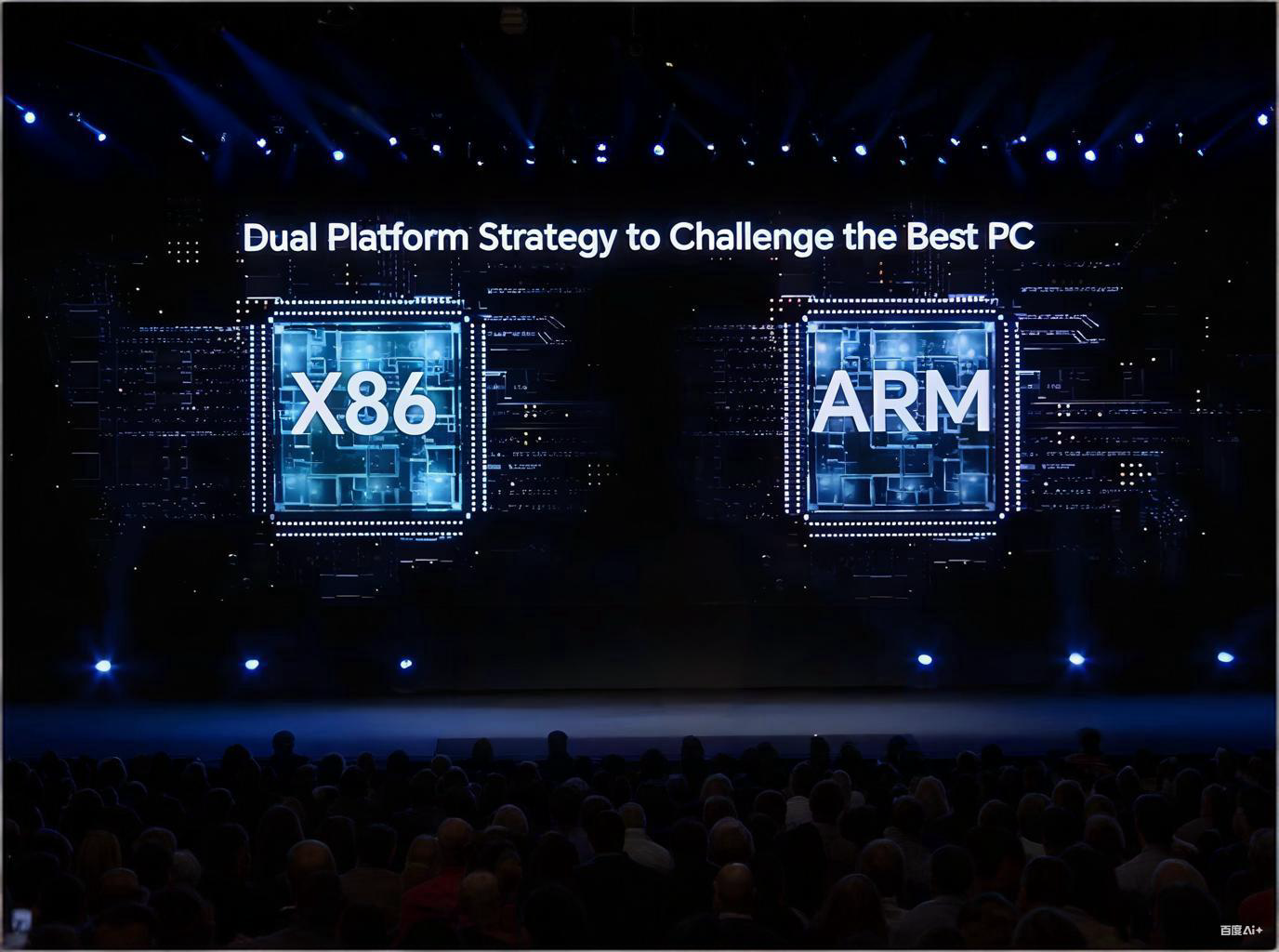
X86 Architecture is More Suitable for Heavy Loads and Large Systems
When the production site needs to run a complete operating system, access complex software platforms, and interface with systems such as MES, WMS, and SCADA, the advantages of the X86 architecture become more apparent. Large platforms often have many running services, requiring higher processor performance. X86 performs robustly in multitasking, storage read/write, and peripheral driver aspects, making it ideal for handling primary computing tasks. The fast refresh rate of production data will not cause interface lag. It’s worth noting that the Control Display G1 industrial touch panel PC has undergone significant optimization in its X86 platform’s heat dissipation structure, ensuring greater stability during continuous operation.
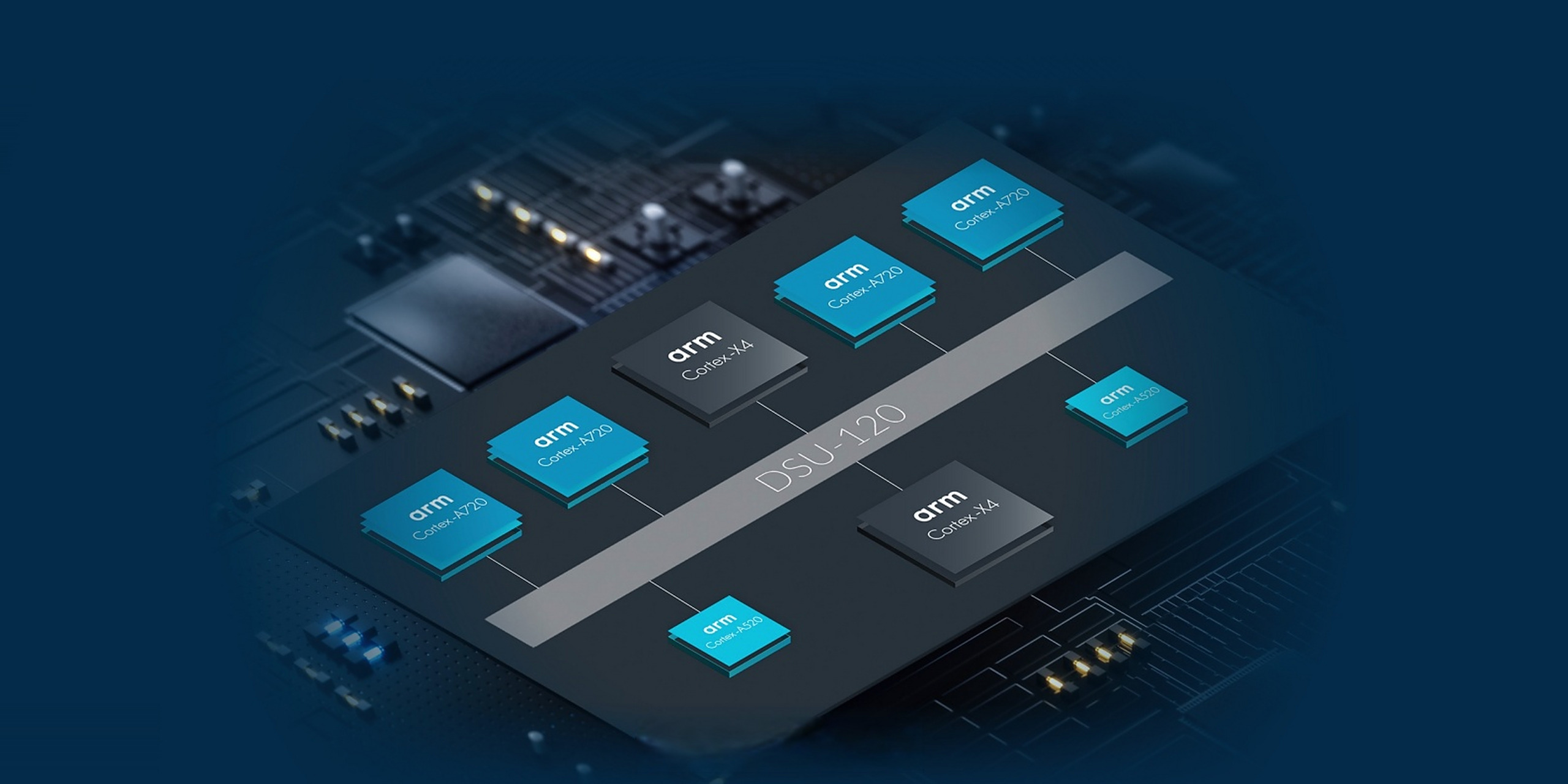
ARM Platform is More Flexible in Lightweight Scenarios
If the site only requires simple operation interfaces, basic data entry, barcode scanning, and access control – relatively lightweight tasks – the ARM architecture is more suitable. Low power consumption, low heat generation, and a lightweight design result in a more compact overall structure. For machines with limited space, embedded installation environments, and scenarios requiring prolonged silent operation, ARM offers greater comfort. Workshops with less demanding production schedules can also more easily leverage the advantages of this architecture.
Software Ecosystem Determines Many Things
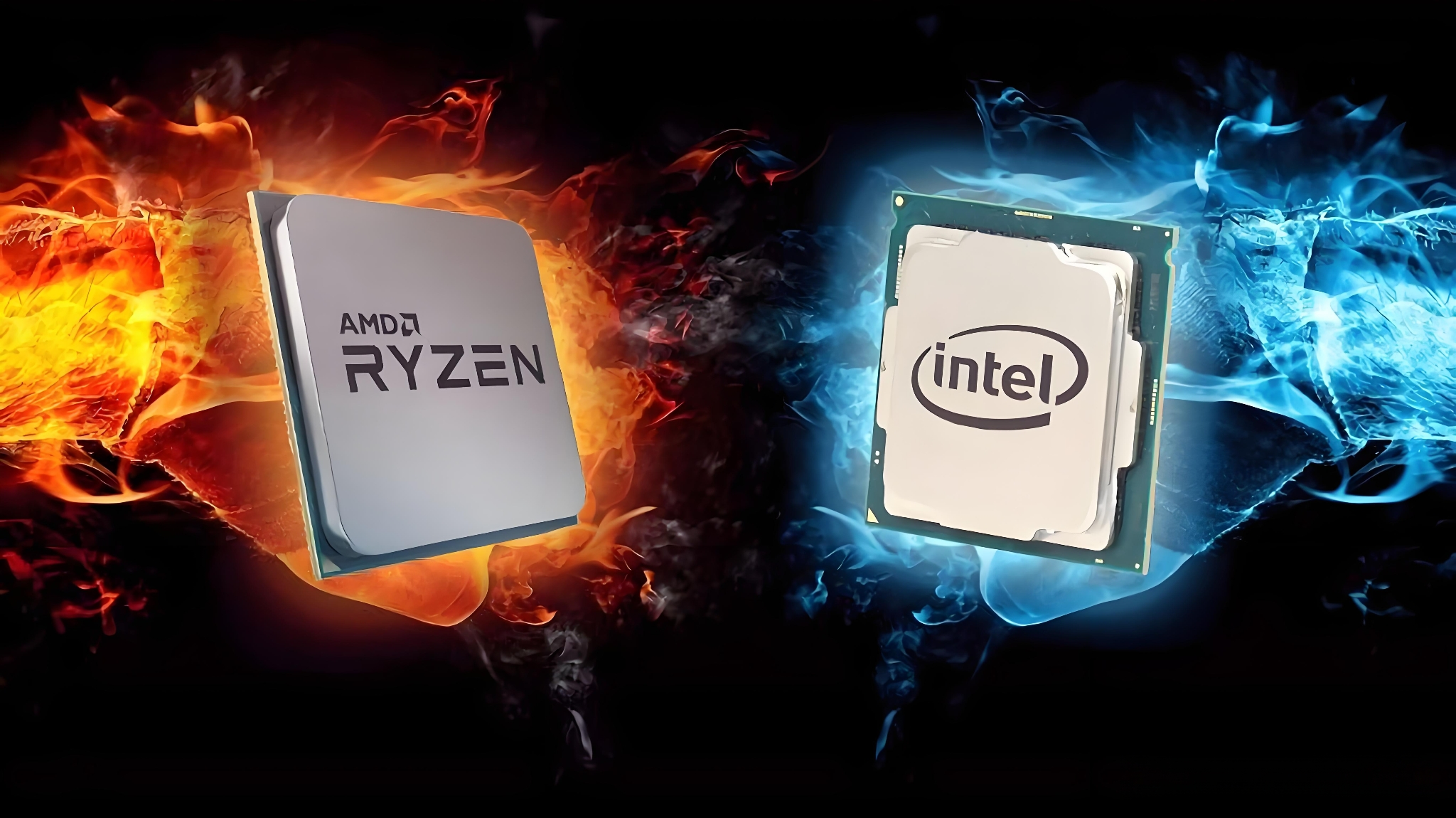
Selection is not just about hardware performance; the software ecosystem is the most critical differentiating factor. X86 has higher maturity, a wider range of driver compatibility, and can run most traditional industrial software directly. Most existing enterprise systems are also designed for X86. Low migration costs give it a natural advantage in modernization projects.
ARM, on the software side, is more like a “developing field.” Domestic systems, web applications, and lightweight software are easier to adapt, with fewer limitations. However, when dealing with older systems or larger industrial software, there may be issues with incomplete functionality or insufficient performance. It’s necessary to confirm compatibility in advance to avoid unexpected problems after deployment.
Power Consumption and Heat Dissipation Affect Overall System Experience
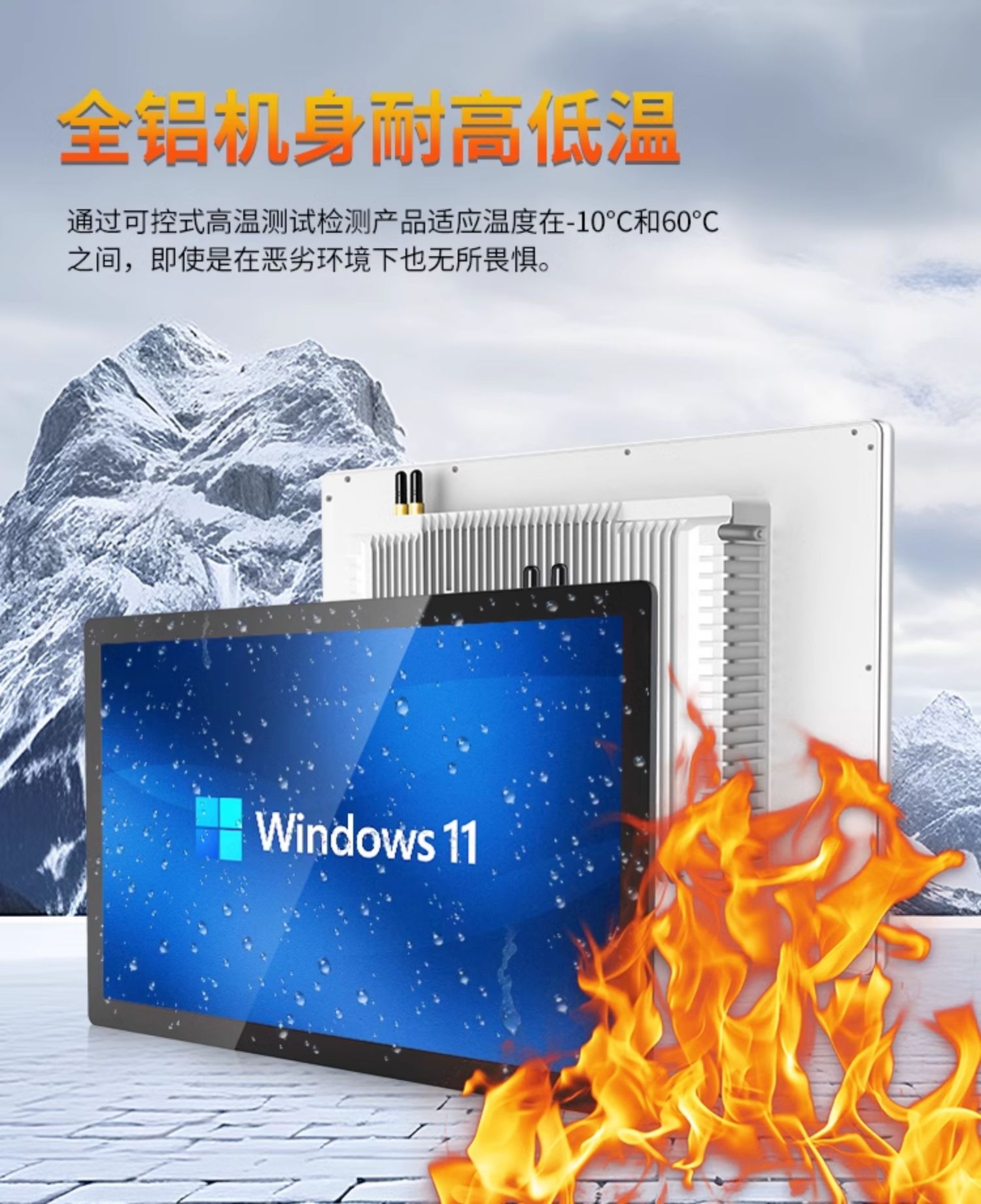
The differences in power consumption between different architectures directly impact device lifespan and user experience. X86 processors generate more heat under high load, requiring a more robust cooling system. Prolonged high temperatures inside the device not only affect performance but also impact the surrounding environment. ARM processors experience less thermal stress, resulting in cooler devices and greater flexibility in installation location. However, in factories with high ambient temperatures, high-load operations are still better suited to X86 processors due to their greater performance headroom.
The Key to Selection Lies in the Scenario Intensity
If the workshop operates at a fast pace, requires access to multiple systems, and involves frequent data updates, X86 is the more reliable choice. Its compatibility, performance redundancy, and stability will make on-site operations more worry-free. If the scenario primarily involves operational prompts and simple interactions, and power consumption is a concern, ARM can provide a more cost-effective experience. Neither architecture is inherently superior; they simply play different roles in different tasks.
Conclusion
The selection of industrial touch panel PCs may seem like a battle between architectures, but in reality, it’s about matching the scenario and workload. X86 is robust and powerful, suitable for heavy loads; ARM is lightweight and quiet, suitable for light interactions. With a clear understanding of the requirements, the choice becomes straightforward. In fact, control and display systems have been deeply optimized on both x86 and ARM platforms, so whether you prioritize performance or power efficiency, you can find a suitable model. The needs of industrial sites will only become more specialized, and the better the match, the smoother the system will run every day.